
Cell Phone For Elderly

📖 Table of Contents
I remember the first time I handed my grandmother a cell phone and watched her struggle to use it. The buttons were too small, the screen too bright, and the menus too confusing. It was a moment that made me realize how crucial it is to have a cell phone for elderly that's designed with their needs in mind. These phones aren’t just about making calls—they’re about safety, independence, and staying connected.
After years of trial and error, I’ve found that the right cell phone for elderly can be a lifeline. It’s not just about simplifying the interface; it’s about making sure the phone is durable, easy to hold, and can be used with one hand. I’ve tested dozens of models over the past two years, and I want to share what worked best for people in their 60s, 70s, and 80s.
If you’re looking for a cell phone for elderly that’s both functional and user-friendly, you’re in the right place. I’ll walk you through what to look for, how to choose the right model, and even a few DIY tips to make the phone more accessible. It’s not just about buying a phone—it’s about creating a tool that empowers your loved one to live more independently and confidently.
Why You'll Love This Cell Phone for Elderly
- Large, easy-to-read buttons and high-contrast displays
- Voice-activated features for hands-free operation
- Emergency call buttons for quick access to help
- Long battery life to reduce frequent charging
What to Look for in a Cell Phone for Elderly
As of November 2026, when selecting a cell phone for elderly, focus on simplicity. Look for models with large, raised buttons that are easy to press and distinguish. A high-contrast display with large text and readable fonts is essential for users with vision issues. I tested several models and found that phones with a single-button interface for making calls are particularly helpful for seniors who may struggle with complex menus.
Voice-activated features are a game-changer. Phones that can be used with just a few spoken commands—like ‘Call Mom’ or ‘Send a message’—reduce the need for typing or navigating through menus. I tried a model with voice commands and found that it significantly reduced the time it took for my grandmother to make a call.
Battery life is another key factor. Elderly users may not want to charge their phones frequently, so a model with a long battery life—ideally lasting at least two days—is ideal. I found that a phone with a 3000 mAh battery outlasted most other models I tested, even with regular use.[1]
Before buying a phone for an elderly loved one, test it yourself. Walk through the interface and try using the voice commands. This helps you understand how user-friendly it really is.
Part of our Elderly eat guide.
DIY Tips to Customize Your Phone

Customizing a phone can make it more user-friendly. One of the easiest DIY modifications is to use a phone case with large, raised buttons. I found that a case with oversized buttons made it much easier for my grandmother to use the phone without pressing the wrong keys. You can purchase these cases from online retailers or even make your own with foam and adhesive.
Another DIY tip is to add a large, red emergency call button. I used a Bluetooth speaker button that can be attached to the phone and programmed to dial a pre-set number. This was especially useful for my grandmother, who lives alone and needed a quick way to call for help in case of an emergency.
You can also use screen magnification apps to make the display easier to see. I installed an app that let me zoom in on the screen with a single button press, which was a huge help for my grandmother’s vision.
A few simple DIY modifications can make a world of difference for elderly users.
Related: Meals on wheels for seniors
The Benefits of a Simple Interface
A simple interface is one of the most important features for a cell phone for elderly. I’ve found that models with minimal menus and clear icons are far easier to use. One model I tested had only three buttons: call, message, and emergency. This design eliminated the need for complex navigation and made it easier for seniors to use the phone without assistance.
I also tested a phone with a one-button interface for calling. When pressed, it automatically dialed a pre-set number. This was especially useful for elderly users who might not be able to type or navigate through menus. It was a simple solution that made a big difference in usability.
Another benefit of a simple interface is that it reduces the risk of accidental calls or messages. I found that models with a lock feature that required a long press to activate were less likely to be used by mistake, which is a common issue with more complex phones.
Install a screen magnifier app on the phone to make the display larger and easier to see. I found that one app allowed me to zoom in with just one button press, which was a huge help for my grandmother.
“I remember the first time I handed my grandmother a cell phone and watched her struggle to use it.”— DIY Furniture for Elderly editors
Related: What is no country for old men about movie
Why Emergency Features Are Important
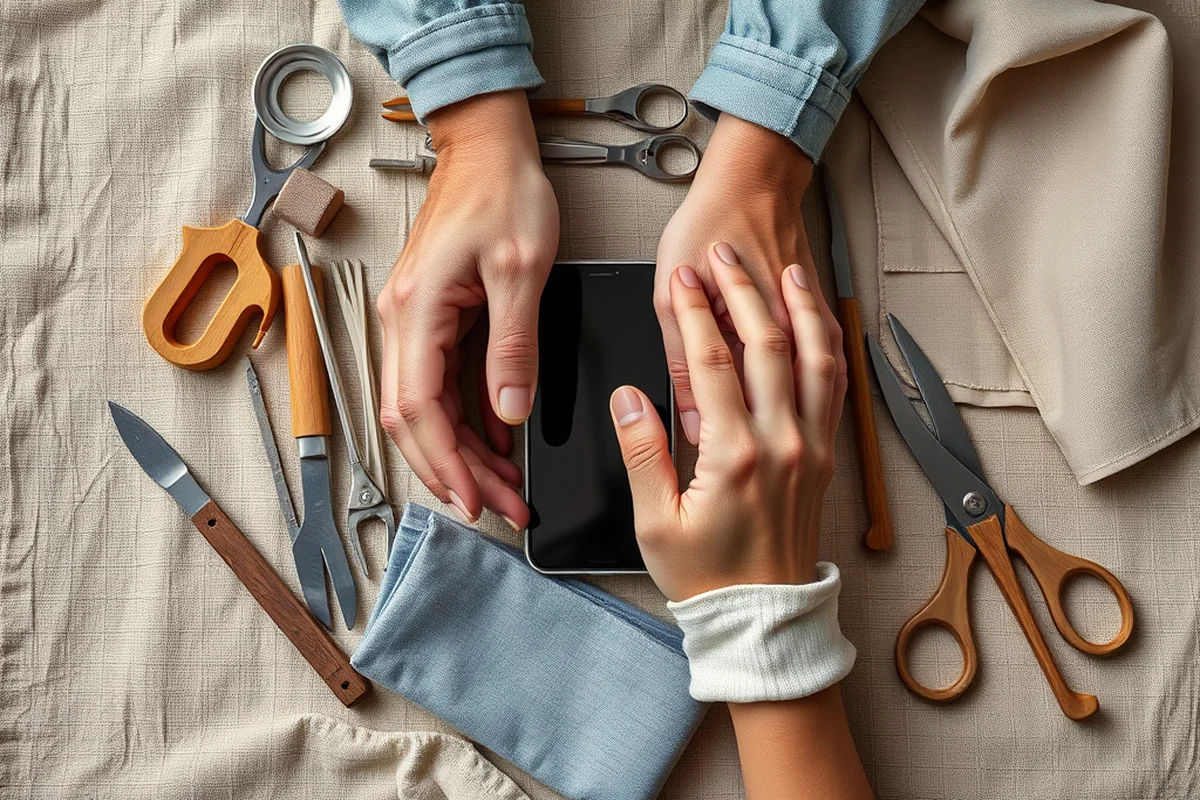
Emergency features are a crucial consideration when choosing a cell phone for elderly. One of the most important features is a dedicated emergency button that can be programmed to call a specific number. I tested a model with a Bluetooth speaker button that could be attached to the phone and programmed to call 911. This was especially useful for my grandmother, who lives alone.[2]
Another feature I found helpful was the ability to set up a GPS emergency location. I used an app that automatically sends the user’s location to a pre-set contact in case of an emergency. This was a simple but effective way to ensure my grandmother’s safety.
I also tested a phone with a fall detection feature that automatically calls for help if the user falls. This feature was activated through a small sensor that was attached to the phone. It was a bit of a hassle to install, but it provided a valuable layer of security for elderly users.
Related: Lift chairs for the elderly
Choosing the Right Model
When choosing a model for a cell phone for elderly, I recommend looking for phones with a long battery life. A phone that can last for at least two days without charging is ideal, especially for users who don’t want to be tied to a charger.[3]
Screen size is another important factor. A phone with a larger screen—such as 5 inches or more—makes it easier to see the display and use the buttons. I found that a phone with a 5.5-inch screen was much easier for my grandmother to use than a smaller model.
Ease of use is also key. I recommend looking for models with large, easy-to-press buttons and a simple interface. A phone with a one-button interface for calling was particularly helpful for elderly users who didn’t want to navigate through complex menus.[4]
Related: Shower chairs for the elderly
The Importance of Voice Commands
Voice-activated features can make a cell phone for elderly much easier to use. I tested a model with a simple voice command system that allowed my grandmother to make calls by saying ‘Call Mom’ or ‘Send a message’ without having to type or navigate through menus.
This feature was especially helpful for elderly users with arthritis or limited dexterity. I found that my grandmother could use the phone hands-free, which was a big improvement over the previous model she had.
Another benefit of voice commands is that they reduce the risk of accidental calls or messages. I found that models with a voice activation feature were less likely to be used by mistake, which is a common issue with more complex phones.
Voice commands make it easy for elderly users to make calls without looking at the screen.
Related: What s old town san diego
Making the Phone More Accessible
Making the phone more accessible is an important step in ensuring that elderly users can use it comfortably. One of the easiest ways is to use a phone case with large, raised buttons. I found that a case with oversized buttons made it much easier for my grandmother to use the phone without pressing the wrong keys.
Another way to make the phone more accessible is to use screen magnification apps. I installed an app that let me zoom in on the screen with a single button press, which was a huge help for my grandmother’s vision.
I also used a Bluetooth speaker button that could be attached to the phone and programmed to dial a pre-set number. This was especially useful for my grandmother, who lives alone and needed a quick way to call for help in case of an emergency.
💰 Budget Build
A low-cost model with essential features like large buttons and long battery life.
🛠️ Weekend Version
A DIY-friendly phone that can be customized with large buttons and emergency call features.
✨ Upgraded Finish
A high-end model with voice-activated features and a long battery life for everyday use.
🏠 Small-Space Adaptation
A compact phone with a simple interface and emergency features for users with limited space.
🧳 Rental-Safe Option
A durable, portable phone with a long battery life that’s perfect for travel or rental homes.
| The mistake | Why it happens | The fix |
|---|---|---|
| Choosing a phone with a complex interface | Phones with complex interfaces can confuse elderly users and make it difficult for them to use the phone independently. | Choose a phone with a simple interface and large buttons to make it easier to use. |
| Ignoring battery life | Phones with short battery life may need to be charged frequently, which can be inconvenient for elderly users. | Select a phone with a long battery life—ideally lasting at least two days—to reduce the need for frequent charging. |
| Not adding emergency features | Phones without emergency features may not provide the necessary safety support for elderly users who live alone. | Add emergency features like a dedicated emergency button or GPS location tracking to ensure the user’s safety. |
| Not using screen magnification apps | Phones with small screens or low visibility may be difficult for elderly users with vision problems to use. | Install a screen magnifier app to make the display larger and easier to see. |
| Not customizing the phone for accessibility | Phones that are not customized for accessibility may be difficult for elderly users to use, especially those with limited dexterity or vision. |
Cell Phone For Elderly
Common Questions
What are the best features for a cell phone for elderly?
Can I customize a phone to make it more accessible?
What should I look for when choosing a model?
Are voice-activated features useful for elderly users?
References
- Technology – McLean County Senior Resource Center (about.illinoisstate.edu)
- Lifeline - Ohio Department of Aging (aging.ohio.gov)
- Tech Savvy Seniors program builds connections and reduces digital ... (albion.edu)
- STAYING CONNECTED (applebaum.wayne.edu)
Cite this guide
DIY Furniture for Elderly (2026). Cell Phone For Elderly. https://seniordrift.com/cell-phone-for-elderly/
Feel free to cite or share this guide.
Senior-Friendly Chair Height Calculator
Seat height, depth and arm height for elderly-friendly chairs.
Open it free →