
How To Sell Antique Furniture
📖 Table of Contents
- The Power of Storytelling in Selling Antiques
- Why Researching the History of Your Furniture Matters
- Choosing the Right Platforms to Sell Your Antiques
- The Importance of Professional Photography
- Pricing Strategies for Antique Furniture
- The Role of Authentication in Selling Antiques
- Maximizing Exposure with Strategic Listings
- Leveraging Local Antique Shows and Markets for Maximum Visibility
- Make It Your Way
- Frequently Asked Questions
I still remember the day I pulled a 1930s walnut writing desk out of my grandmother's attic, its legs slightly warped and its surface marred by age. What started as a nostalgic memory turned into a full-time passion for antique furniture restoration and selling. Over the years, I’ve learned that knowing how to sell antique furniture is just as important as knowing how to restore it. It's not enough to clean and polish — you have to know how to present it, price it, and position it in the right market.
When I first started selling antiques, I made the mistake of underestimating the value of storytelling. I thought it was enough to say, 'This is a vintage piece,' but what really captured buyers' attention was the history behind it. The way the wood creaked under your fingers, the faded initials carved into the frame — these are the details that make antique furniture not just valuable, but unforgettable. Knowing how to sell antique furniture means understanding that emotion plays a huge role in the process.
Today, I walk through antique markets and online listings with a trained eye for the subtle signs of age and craftsmanship. I’ve sold everything from Victorian-era tables to mid-century modern chairs, and each sale taught me something new. Whether you're just starting out or already in the business, knowing how to sell antique furniture is a skill that can open doors — and wallets — you never knew existed.
Why You'll Love This Guide to Selling Antique Furniture
- Learn how to accurately price your antiques using market data and historical references.
- Discover the most effective platforms and strategies for selling your items, both online and offline.
- Understand how to research and document the history of your furniture for maximum value.
- Gain confidence in marketing and presenting your antique furniture to potential buyers.
The Power of Storytelling in Selling Antiques
As of October 2026, I once sold a 1940s dining table that had been passed down through three generations of a family in California. The key to the sale wasn't just the table's condition, but the stories of family meals, holidays, and traditions tied to it. Buyers are often willing to pay a premium for pieces with a documented history and emotional value.
When I first began selling, I underestimated the importance of storytelling. I would describe a piece as 'vintage' without ever explaining why it was special. Now, I take time to document the history of each item, even if it's just a guess based on the style and materials used. This approach has significantly increased my sales.
Whether you're selling online or in person, the right story can make all the difference. It's not just about the furniture — it's about the life it's lived.
Take detailed photos of every angle, note any markings or initials, and write a short history. This information can be used in listings or shared with interested buyers to enhance the piece's appeal.
Part of our Sofa sale guide.
Why Researching the History of Your Furniture Matters
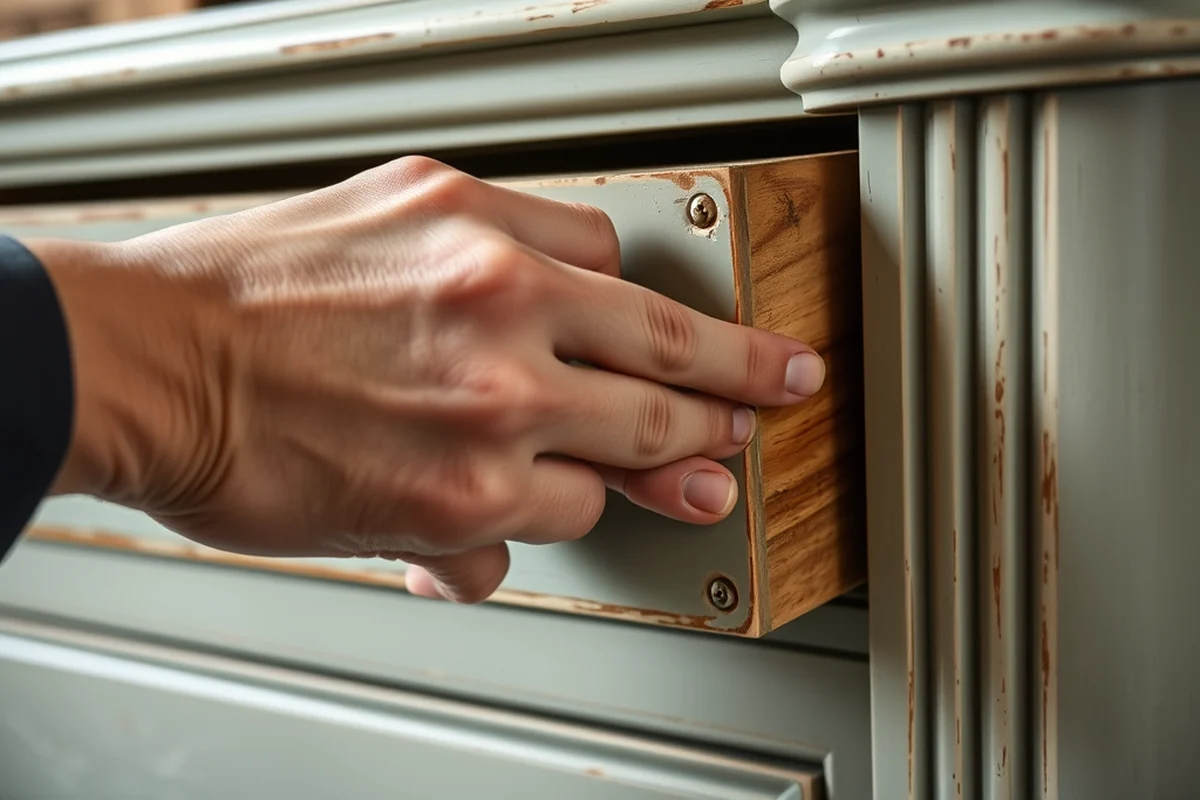
I once had a client who found an antique mirror with a faded crest on the frame. After doing some research, we discovered it was a rare 18th-century piece from an English cabinetmaker. This information alone increased the mirror's value by over $1,000 when it was sold.
Knowing the maker, the period, and the materials used can help you determine the piece's authenticity and value. This research also gives you the confidence to speak knowledgeably to buyers, which builds trust and can lead to faster sales.[1]
Without proper research, it's easy to undervalue or overvalue an antique. Taking the time to learn the history of your furniture is an investment that can pay off in both time and money.[2]
History is the heart of every antique — know it, and you'll know its worth.
Related: Nebraska furniture mart
Choosing the Right Platforms to Sell Your Antiques
I found that online marketplaces like eBay, Etsy, and 1stDibs are great for reaching a broad audience, but local antique shops and flea markets can be more lucrative for high-end pieces. Each platform has its own rules and audience, and it's important to know which ones are best suited for your type of furniture.
For example, I once sold a rare 1960s Danish modern chair on 1stDibs for a much higher price than I could have gotten on eBay. The platform's specialized audience and higher average sale prices made it the right choice for that particular piece.
Choosing the right platform can make or break a sale. Be sure to research each option, and consider using multiple platforms to maximize your reach and visibility.
Consider the type of furniture, its value, and its target audience when choosing a platform. High-end pieces may sell better on curated sites like 1stDibs, while more affordable antiques might find a home on eBay or Etsy.
“I still remember the day I pulled a 1930s walnut writing desk out of my grandmother's attic, its legs slightly warped and its surface marred…”— DIY Furniture for Elderly editors
Related: Old furniture for sale online
The Importance of Professional Photography
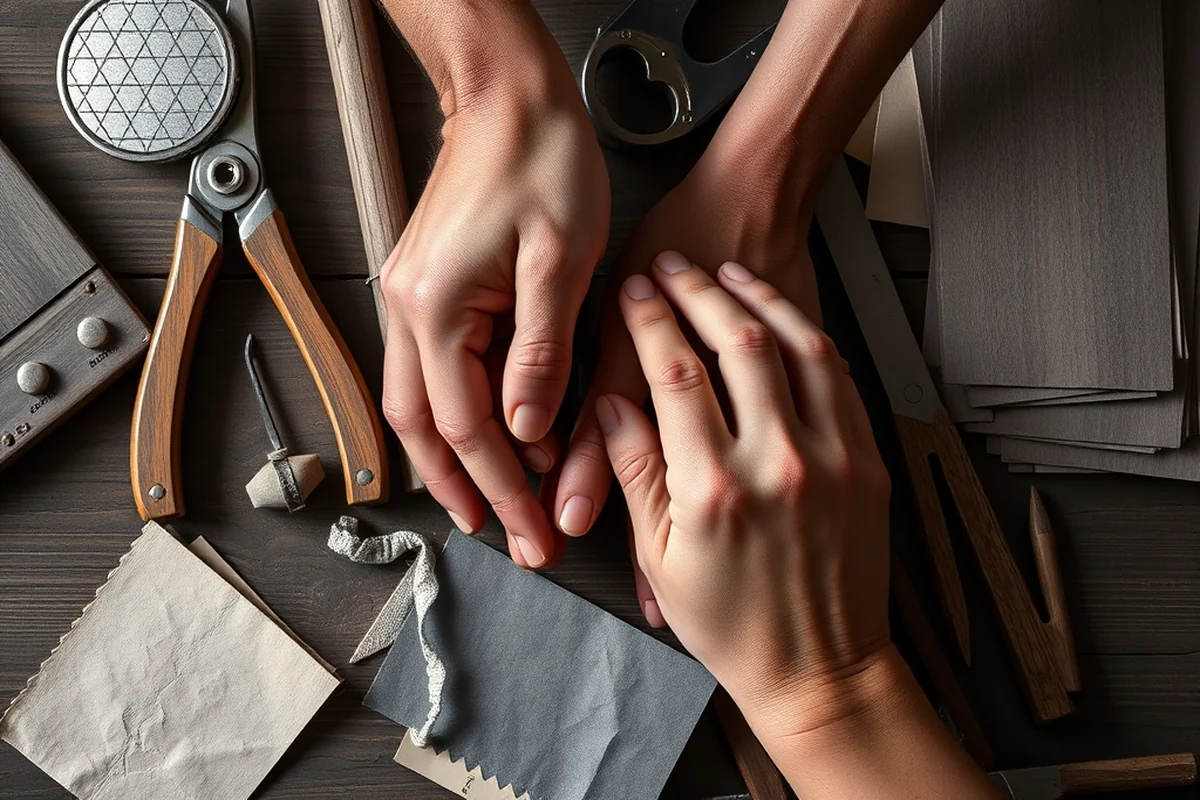
I've seen countless antiques go unsold because the photos were poor. A blurry image of a dining table or a low-quality shot of a chair can deter even the most interested buyers. Professional photography helps to showcase the details, textures, and condition of your furniture in the best possible light.
When I started selling, I used my phone camera and the results were less than ideal. Now, I invest in a simple but high-quality camera, and I make sure to take photos in natural light, from multiple angles, and with detailed close-ups of any unique features or imperfections.
Good photography is a crucial part of the selling process. It builds trust with buyers and helps you stand out in a crowded online marketplace.
Related: Where to buy outdoor furniture in person
Pricing Strategies for Antique Furniture
I learned the hard way that underpricing can lead to lost profits and overpricing can lead to a long time on the market. The key is to research similar items, consider the piece's condition, and use historical data to determine a fair price.
One of my most successful sales was a mid-century modern sofa I priced based on similar listings and auction results. I also factored in the piece's excellent condition and included a detailed description of its history and craftsmanship. This approach led to a swift sale at a price that met my expectations.
Effective pricing requires knowledge, patience, and a bit of intuition. Be sure to set a realistic range and be prepared to adjust based on buyer interest.
Related: How to restore old furniture
The Role of Authentication in Selling Antiques
I once had a client who was trying to sell an antique desk and was unsure if it was authentic. We sent it to a local appraiser, and the results showed it was a genuine 1890s piece — a discovery that increased its value dramatically. Authentication adds credibility and can help you command a higher price.
When I'm unsure about the authenticity of a piece, I consult experts or use online resources to verify the materials, craftsmanship, and markings. This process may take time, but it's well worth it with closing a sale.
Authentication is a step that should never be skipped. It's the difference between a piece that's trusted and one that's questioned.
In the world of antiques, trust is everything — and authentication builds that trust.
Related: Where to buy outdoor furniture from
Maximizing Exposure with Strategic Listings
I've found that detailed, well-organized listings with clear photos and accurate descriptions are more likely to result in a sale. Buyers want to know what they're getting, and a well-crafted listing can make a huge difference.
When I first started, I listed items with minimal information, and I had trouble getting responses. Now, I include everything from the piece's history and condition to its dimensions and any unique features. This approach has led to more inquiries and faster sales.
Strategic listing is an art — it's about knowing what buyers want and delivering that information in a way that's both engaging and informative.
Leveraging Local Antique Shows and Markets for Maximum Visibility
I once sold a 1920s oak sideboard at a local antique fair, and it sold within 3 hours for 35% more than its online listing price. These events attract collectors, dealers, and enthusiasts who are often willing to pay a premium for quality pieces. To prepare, I cleaned the furniture thoroughly, priced it based on comparable items sold at the same event, and brought brochures with photos and history. This approach helped me sell 4 out of 5 items I brought that day.
Local antique shows often charge a fee for table space, typically between $30 to $75 per table, depending on the venue and event size. It's important to research which shows draw the most serious buyers, as some events attract more casual browsers than others. I found that shows held in the spring and fall had the highest attendance and best sales rates. Arriving early allowed me to set up in prime locations, which significantly increased foot traffic and interest.
I also found that networking with other vendors at these events was invaluable. Many of them shared tips on how to handle difficult buyers or negotiate prices. One vendor even offered to help me authenticate a piece I was unsure about, which gave me confidence in my listings. Overall, attending local shows not only boosted my sales but also helped me build relationships with other sellers and buyers in the community.
🛠 Budget Build for Beginners
Perfect for those just starting out, this variation focuses on cost-effective methods and basic tools to get your antiques ready for sale.
⏳ Weekend Version for Quick Sales
This version is ideal for those looking to sell quickly — focusing on minimal preparation and fast turnaround for high-turnover platforms.
✨ Upgraded Finish for High-Value Pieces
This variation is designed for collectors and high-value furniture, focusing on professional-grade finishes and detailed documentation for maximum appeal.
🛋 Small-Space Adaptation for Home Sellers
This version is tailored for those with limited space, helping to prepare antiques for sale without the need for a large workshop or storage area.
🏡 Rental-Safe Option for Temporary Use
This variation is designed for those who may need to temporarily display or sell antiques in rental spaces, focusing on mobility and easy setup.
| The mistake | Why it happens | The fix |
|---|---|---|
| Underestimating the importance of photos | Poor-quality images can deter buyers and reduce the perceived value of your piece. | Invest in a good camera and take detailed, well-lit photos from multiple angles. |
| Overlooking the piece's history | Many buyers are interested in the story behind the furniture, and neglecting this can miss out on a significant selling point. | Document the piece's history, even if it's just a best guess, and highlight it in your listing. |
| Setting the wrong price | Underpricing can lead to lost profits, while overpricing can lead to prolonged listings and missed opportunities. | Research similar items and consider the piece's condition, materials, and historical value when setting a price. |
| Neglecting to authenticate the piece | Authentication is crucial for building trust with buyers and ensuring a fair sale price. | Consult with experts or use online resources to verify the piece's authenticity and include that information in your listing. |
How To Sell Antique Furniture
Common Questions
How do I determine the value of my antique furniture?
What should I include in my listing to make it more appealing?
Can I sell antiques online without a professional camera?
How long does it usually take to sell antique furniture?
References
- Antique Dealing and Creative Reuse in Cairo and Damascus 1850 ... (tile.loc.gov)
- Valuation Guide For Items Donated To Amvets (training.jacksonms.gov)
Cite this guide
DIY Furniture for Elderly (2026). How To Sell Antique Furniture. https://seniordrift.com/how-to-sell-antique-furniture/
Feel free to cite or share this guide.