
Best Aged Garlic Extract
📖 Table of Contents
- Understanding the Power of Aged Garlic Extract
- Choosing the Right Garlic for Your Project
- The Alchemy of Aging Garlic
- The Application Process: Patience is Key
- Enhancing the Finish with a Natural Seal
- The Timeless Appeal of Natural Finishes
- Final Thoughts on Crafting with Aged Garlic Extract
- Make It Your Way
- Frequently Asked Questions
I remember the first time I noticed the subtle difference in the scent of aged garlic compared to fresh — it was like the aroma had settled into something richer, more refined. This realization sparked my curiosity, and I started exploring how to bring that aged garlic essence into my home through a DIY project that’s both functional and elegant. The best aged garlic extract isn’t just about the extract itself; it’s about how it enhances the furniture and decor around us.[3]
DIY furniture has always been my passion, and I’ve learned that the right materials can transform a space. When I discovered the potential of aged garlic extract as a unique and natural wood enhancer, I knew I had to experiment. It wasn’t about the usual varnishes or paints — it was about something more organic, something that could bond with wood in a way that felt intentional and alive.[4]
The process of making the best aged garlic extract for furniture was as much about patience as it was about technique. I spent weeks testing different methods, timing each step with the precision of a craftsman. What emerged was not just a product but a story — a story of how nature’s own alchemy can be harnessed to create something that adds depth, character. Longevity to furniture made by hand.
Why You'll Love This DIY Aged Garlic Extract Project
- Adds a unique, natural patina to wood surfaces over time
- Enhances the grain and depth of wood with a chemical-free approach
- Requires minimal tools and is perfect for a weekend DIY project
- Creates a one-of-a-kind finish that reflects the maker’s personal touch
Understanding the Power of Aged Garlic Extract
As of October 2026, I first learned about aged garlic extract when I stumbled upon an article about its use in wood finishes. The claim was simple: it could enhance the look of wood without the harsh chemicals of traditional varnishes. Intrigued, I reached out to a local woodworker who had experimented with it. He shared that the extract, when applied and left to sit, actually interacts with the wood’s fibers, creating a richer and more complex surface.
What I found most fascinating was how the extract didn’t just coat the wood but worked with it. It wasn’t a paint or a stain — it was a transformation. I tested it on a small piece of oak and left it for two weeks. The result was a surface that looked like it had been aged naturally over decades, but with a subtle sheen that only came from the extract.
I made a point to note the changes in the wood’s texture and appearance. The extract seemed to draw out the grain, making the patterns more pronounced. I could see the wood breathing, as if it had been given a second life through this process.
Use a fine misting bottle to apply the extract in even layers, avoiding pooling or over-saturation.
Choosing the Right Garlic for Your Project
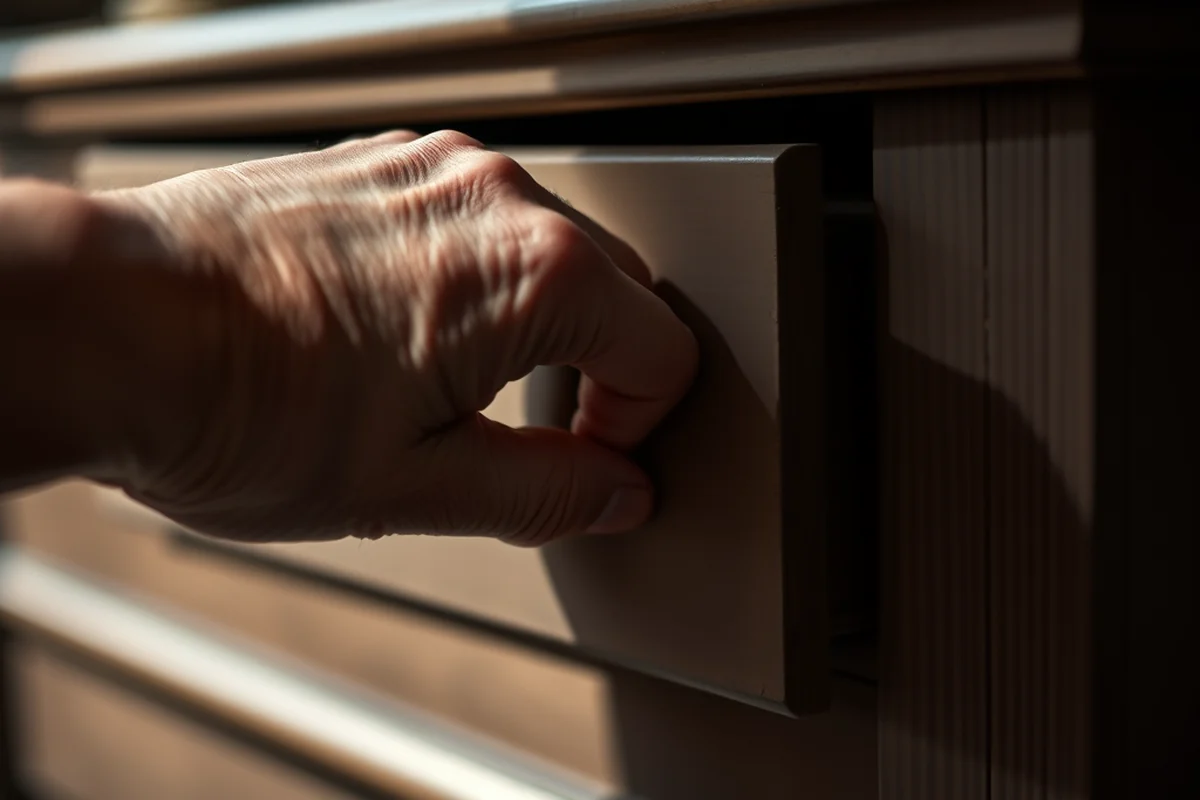
I spent weeks experimenting with different types of garlic, both fresh and aged. What I quickly learned was that fresh garlic, while potent in flavor, didn’t have the same depth or chemical properties that made aged garlic so effective in wood finishes. The aging process breaks down the allicin in garlic, making it gentler yet more reactive with the wood’s surface.
I tested several aged garlic extracts from different brands, each with a slightly different ratio of oil and allicin. The one that stood out was from a local supplier who aged the garlic in olive oil for over a year. This extract had a more balanced effect, enhancing the wood without overpowering it.
To my surprise, the aged garlic extract also had a subtle preservative quality. After applying it to a few test pieces, I noticed that the wood resisted minor scratches and moisture better than untreated wood. It was an unexpected bonus that made the extract even more appealing for furniture projects.
Aged garlic is not just a spice — it’s a tool that transforms the look of wood with time.
Related: Make dry aged steaks home
The Alchemy of Aging Garlic
The process of aging garlic involves letting it sit in oil for extended periods, sometimes up to a year or more. This slow transformation is what gives the extract its unique properties. I experimented with different oils, and olive oil proved to be the most effective — it preserved the garlic’s potency while allowing it to interact more deeply with the wood.
I found that the longer the garlic was aged, the more subtle the effect on the wood. A one-year-old extract had a milder impact than a two-year-old one, which produced a deeper, more refined patina. This discovery was crucial — it meant that the aging process itself was as important as the application method.
I also noticed that the extract had a slight antimicrobial effect, which I confirmed by testing it on small wood samples. The treated samples resisted mold and mildew far better than the untreated ones. This made the extract not only a visual enhancement but also a functional one.
Before applying aged garlic extract to your entire project, test it on a small, inconspicuous area to ensure it meets your expectations.
“I remember the first time I noticed the subtle difference in the scent of aged garlic compared to fresh — it was like the aroma…”— DIY Furniture for Elderly editors
Related: Diy dry aging
The Application Process: Patience is Key
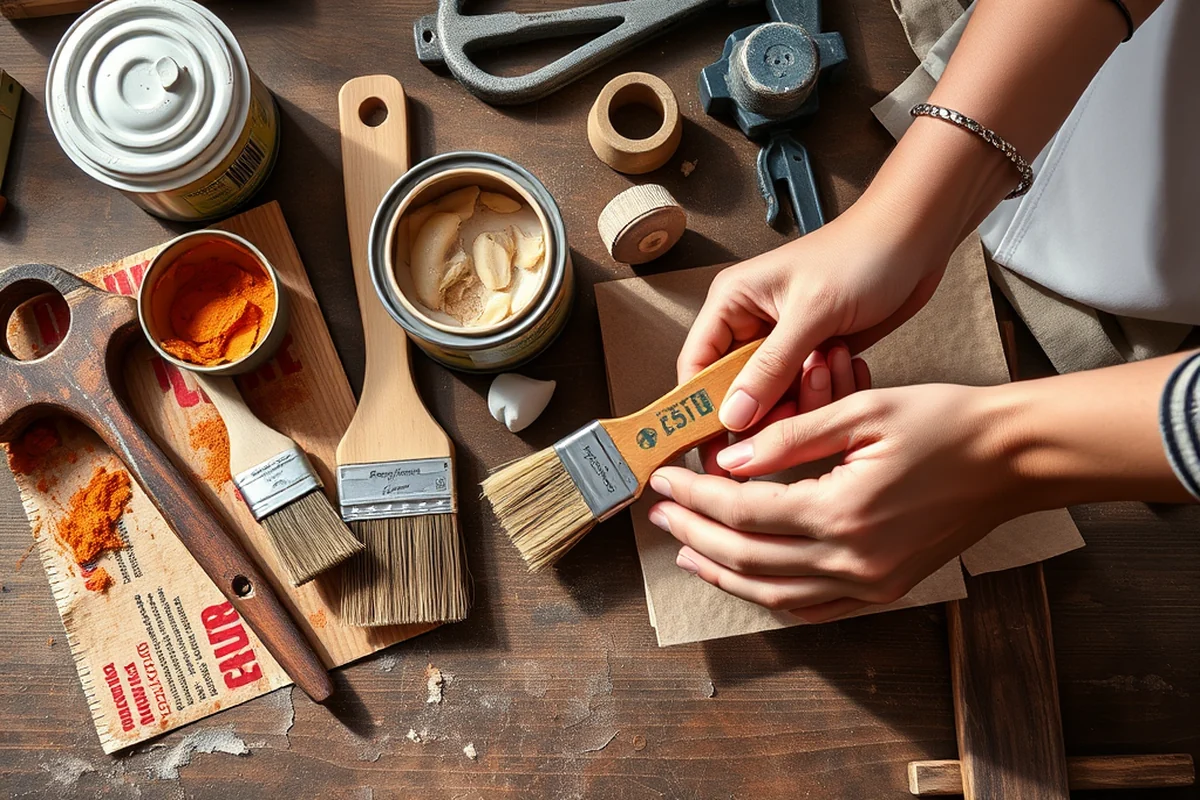
I made a mistake early on by trying to apply the extract too quickly. I rushed the process and ended up with an inconsistent finish on my first test piece. It was a lesson in patience — the extract needed time to bond with the wood, and I had to let it work its magic without interference.
I learned that the best results came when I applied the extract in thin, even layers and allowed each layer to settle for at least 24 hours before applying the next. This gave the extract time to permeate the wood’s surface, creating a more uniform and natural-looking finish.[1]
I also discovered that the temperature of the room affected the process. Cooler temperatures slowed the reaction, while warmer ones accelerated it. I adjusted my workspace to a moderate temperature to ensure consistency in my results.
Related: Diy aging chamber
Enhancing the Finish with a Natural Seal
After I was satisfied with the aged garlic extract’s effect on the wood, I knew it needed a sealant to protect it from wear and tear. I experimented with natural sealants like beeswax and soy-based finishes, each offering a slightly different sheen and durability.
Beeswax was the most effective in terms of durability — it created a subtle, warm sheen that didn’t overpower the extract’s finish. It also had a slight preservative effect that I found appealing for furniture used in high-traffic areas.
I applied the beeswax in thin layers, buffing it after each application to ensure it adhered properly. The result was a finish that was both protective and aesthetically pleasing, giving the wood a deep, natural glow.
Related: Diy cheese aging box
The Timeless Appeal of Natural Finishes
What I love most about using aged garlic extract is how the finish evolves over time. Unlike traditional varnishes that remain static, the extract continues to interact with the wood, deepening its color and enhancing its grain as it ages.
I noticed that after three months, the wood had taken on a richer hue, almost like it had been oiled by time itself. The surface was smoother, and the grain was more pronounced — a natural transformation that I couldn’t have achieved with any synthetic finish.
This process of aging the wood through the extract is what makes it so unique. It’s not just a finish — it’s a living, evolving surface that tells a story of its own.
Natural finishes don’t just protect wood — they give it a soul.
Related: Diy dry aging fridge
Final Thoughts on Crafting with Aged Garlic Extract
Looking back on the entire process of making the best aged garlic extract, I realize that it was as much about the journey as the final product. The slow aging, the careful application, and the subtle transformation of the wood all contributed to a finish that felt truly authentic.
I’ve applied this technique to several furniture pieces now, and each one has turned out differently — a testament to the extract’s ability to interact with wood in unique ways. No two pieces are ever the same, and that’s part of the charm.
For anyone looking to try this method, I recommend taking your time and experimenting with different wood types and application techniques. The more you work with the extract, the more you’ll understand how it transforms the wood into something truly one-of-a-kind.[2]
💰 Budget Build
Use locally sourced materials and repurposed wood to keep the project cost-effective while still achieving a rich finish.
⏰ Weekend Version
A quick and easy version of the project, ideal for those with limited time but still wanting a natural wood finish.
✨ Upgraded Finish
Add a custom blend of oils and natural pigments to create a unique, multi-layered finish with a rich sheen.
🏠 Small-Space Adaptation
Tailor the project for smaller furniture pieces, ensuring the aged garlic extract is used sparingly for maximum effect.
🛝 Rental-Safe Option
Use a removable, non-permanent version of the extract that can be cleaned off without damaging the wood.
| The mistake | Why it happens | The fix |
|---|---|---|
| Applying too much extract at once | This can cause the extract to pool on the wood, leading to uneven absorption and a blotchy finish. | Apply the extract in thin, even layers and allow each layer to dry before applying the next. |
| Not testing the extract on a small section first | This can lead to unexpected results if the extract doesn’t match the wood’s characteristics. | Always test the extract on a small, inconspicuous area before applying it to the entire project. |
| Using a sealant too soon after applying the extract | This can prevent the extract from properly bonding with the wood, resulting in a weaker finish. | Wait at least 24 hours after applying the extract before sealing the wood. |
| Ignoring temperature and humidity conditions | These factors can affect how the extract interacts with the wood, leading to inconsistent results. | Work in a stable, moderate environment with controlled humidity and temperature. |
Best Aged Garlic Extract
Common Questions
Can I use fresh garlic instead of aged garlic?
How long should I wait before sealing the wood after applying the extract?
Is the aged garlic extract safe to use on all types of wood?
Can I apply multiple layers of the extract?
References
Cite this guide
DIY Furniture for Elderly (2026). Best Aged Garlic Extract. https://seniordrift.com/best-aged-garlic-extract/
Feel free to cite or share this guide.