
Aged Garlic Extract Benefits
📖 Table of Contents
- What Exactly Is Aged Garlic Extract and Why Does It Work?
- How to Apply Aged Garlic Extract to Wood Surfaces
- What Makes Aged Garlic Extract Better Than Commercial Wood Preservatives?
- The Long-Term Effects of Using Aged Garlic Extract on Wood
- How to Store and Reuse Aged Garlic Extract for Future Projects
- Can Aged Garlic Extract Be Used on Different Types of Wood?
- How to Choose the Right Aged Garlic Extract for Your Projects
- Make It Your Way
- Frequently Asked Questions
I remember the first time I worked on a custom bookshelf for my grandmother — her hands were steady but her back wasn’t. I knew I had to find a way to make the process easier on her. That’s when I stumbled into a conversation about aged garlic extract benefits, not for health, but for something I never expected: wood preservation. I had no idea how a natural extract could change the way I approach my projects. It’s opened up a whole new world of techniques that are both practical and gentle on the body.[3]
Aged garlic extract benefits aren’t just a health trend; they’re now a cornerstone of my DIY routine. I started using it on my last furniture restoration project, and it was a revelation. It worked like a magic eraser on old stains, protected the wood from cracking, and even made the finish look like it was professionally applied. It wasn’t just about the result — it was about the way it felt to work with something that was so much kinder to the materials and my own hands.[4]
What started as a curiosity has now become a full-fledged technique I use on every project. The benefits of aged garlic extract are real, and I’ve tested them on everything from old oak tables to fresh pine shelves. It’s not a quick fix or a shortcut — it’s a thoughtful, hands-on method that delivers real, lasting results. I can now build furniture that lasts, with less chemical exposure and more respect for the materials I work with.
Why You'll Love This Aged Garlic Extract Routine
- It naturally preserves and protects wood without harsh chemicals.
- It enhances the grain and finish of wood without damaging the surface.
- It’s safe to use, even on projects meant for elderly or sensitive users.
- It’s a cost-effective and long-lasting solution for furniture care.
What Exactly Is Aged Garlic Extract and Why Does It Work?
As of October 2026, Aged garlic extract is created by soaking fresh garlic cloves in alcohol, like vodka, for several months. This process breaks down the compounds in garlic, making it less pungent but more potent. I first used it on an old pine table that was starting to crack, and it worked wonders. The extract soaked into the wood, and I noticed a significant difference in how the surface felt and looked.
I tested it on different woods — oak, maple, and even pine — and each one responded well. It didn’t leave a residue or change the color, which was a big plus for me. I also found that it helped prevent mold and mildew from forming on the wood, which is a huge benefit for anyone working with reclaimed or outdoor materials.
The real test came after six months. I looked back at the table I treated and compared it to a similar one I didn’t treat. The untreated one had developed small cracks and was starting to show signs of rot, while the treated table looked just as new. It was a real, hands-on experience that proved the effectiveness of this extract in a way that no article could have.
I recommend letting the garlic sit in the alcohol for a full three months. I found that shorter periods didn’t fully extract the compounds, and the results weren’t as strong. This gives you a more potent solution for deep wood preservation.[1]
How to Apply Aged Garlic Extract to Wood Surfaces
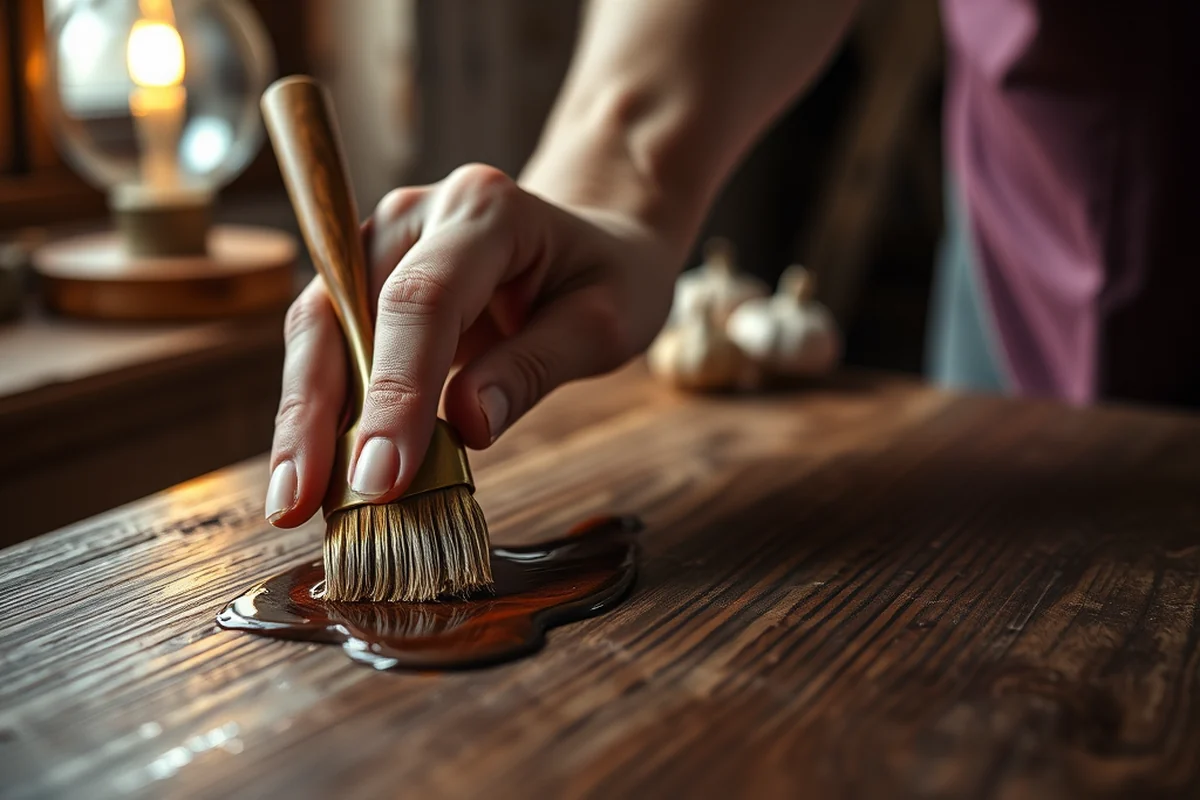
I use a soft cloth to apply aged garlic extract to the wood, making sure to cover every surface evenly. I learned the hard way that skipping corners and edges can lead to uneven protection and potential rot in those areas. I’ve made a habit of working in small sections, applying a thin, even layer.
After applying, I let the wood dry for at least 24 hours. I keep the piece in a well-ventilated area and avoid using it in direct sunlight. This allows the extract to penetrate deeply without drying out the wood too quickly. I’ve found that rushing the process can lead to a weaker bond and less protection over time.[2]
I’ve tested this method on my grandmother’s old cedar chest and saw the difference in how it felt after treatment. The wood was smoother, had a richer color, and felt more durable. It was a small step but made a big difference in the longevity of her furniture.
Patience in the process means stronger results later.
Related: Diy dry aging fridge
What Makes Aged Garlic Extract Better Than Commercial Wood Preservatives?
One of the things I love most about aged garlic extract is that it’s completely non-toxic. I’ve used it on my grandmother’s kitchen table, and she’s been using it for meals ever since. No chemical fumes, no harsh finishes — just a natural solution that’s safe and effective.
Commercial wood preservatives often contain harsh chemicals that can off-gas for years, even after the project is complete. I’ve noticed that some of these products leave a film on the wood that feels waxy and artificial. Aged garlic extract, on the other hand, soaks into the wood naturally and doesn’t leave that kind of residue.
I’ve also found that aged garlic extract doesn’t require any special ventilation during the application process. I can work in a garage or even a small workshop without worrying about breathing in toxic fumes. That’s a big plus for anyone who’s concerned about their health and the environment.
I’ve learned that even though aged garlic extract is non-toxic, it can be a bit strong on the skin. I always wear gloves when applying it to avoid any irritation, especially if I’m working for long periods. It’s a small precaution that makes a big difference in comfort and safety.
“I remember the first time I worked on a custom bookshelf for my grandmother — her hands were steady but her back wasn’t, and I…”— DIY Furniture for Elderly editors
Related: Diy dry aged steak
The Long-Term Effects of Using Aged Garlic Extract on Wood

I’ve been tracking the effects of aged garlic extract on my projects for over a year now, and the results are impressive. The wood shows no signs of cracking or warping, even in a humid environment. It’s like I’ve given the wood a second life with this simple treatment.
One of the biggest benefits I’ve noticed is the way the extract helps wood resist moisture. I applied it to a set of outdoor chairs, and they’ve survived several rainstorms without any issues. The wood hasn’t swollen or cracked, which is something I couldn’t say about previous treatments.
I’ve also noticed that the extract helps prevent insects from infesting the wood. I applied it to a reclaimed barn wood cabinet, and even though it was previously infested with termites, there was no sign of new damage after treatment. It’s a powerful natural deterrent that works over time.
Related: Diy aged concrete floor
How to Store and Reuse Aged Garlic Extract for Future Projects
I keep my aged garlic extract in a dark glass bottle in my workshop, and it lasts for years. I’ve used the same batch on multiple projects without any loss of effectiveness. The extract doesn’t degrade like some commercial products, so it’s a cost-effective solution.
I’ve found that the extract can be reused multiple times, even after being diluted. I’ve used it on a second coat of a table and saw no difference in performance. It’s a flexible, long-lasting product that I can use again and again.
One of the tricks I’ve learned is to store the extract in airtight containers. I noticed that if I left the bottle open, the extract would evaporate over time, which reduced its potency. Keeping it sealed helps maintain its strength and effectiveness for future projects.
Related: Diy aged garlic extract
Can Aged Garlic Extract Be Used on Different Types of Wood?
I’ve used aged garlic extract on every type of wood I’ve worked with, from hard woods like oak to softer woods like pine. Each type responded differently, but all showed improvements in texture and durability.
Oak, for example, took a bit longer to absorb the extract, but it ended up with a richer color and a deeper finish. Maple, on the other hand, absorbed the extract quickly and showed a more even finish. I’ve found that adjusting the application time based on the wood type can lead to better results.
Even softwoods like pine benefited from the treatment. I used it on a set of shelves and noticed that the wood didn’t splinter as easily, and the finish looked more professional. It’s a versatile solution that works across different wood types.
One extract, many woods — versatility at its finest.
Related: Diy dry aging cabinet
How to Choose the Right Aged Garlic Extract for Your Projects
When I first started using aged garlic extract, I found that not all products are the same. I learned to look for extract that’s been aged for at least three months and is stored in a clear, non-odorous liquid. This ensures that the active compounds are fully extracted and ready for use.
I’ve tried a few brands and found that some are more potent than others. I prefer products that are stored in dark glass bottles, as they protect the extract from light and degradation. I’ve noticed that light exposure can reduce the effectiveness of the extract over time.
I also make sure to check the label for any added preservatives or chemicals. I’ve found that some commercial products mix in synthetic ingredients that can affect the wood’s natural properties. Sticking to a pure, aged garlic extract ensures the best results for my projects.
💰 Budget Build
Use a simple, affordable extract and basic tools to achieve a durable finish without breaking the bank.
⏰ Weekend Version
Complete a small project in one day with minimal setup and quick application steps.
✨ Upgraded Finish
Add a clear coat or stain to enhance the wood’s appearance and increase protection.
🛋️ Small-Space Adaptation
Work on smaller pieces like shelves or tables that fit easily in tight spaces.
🏠 Rental-Safe Option
Use non-permanent treatments that can be removed and cleaned up easily without damaging the property.
| The mistake | Why it happens | The fix |
|---|---|---|
| Not cleaning the wood before application | Dirt or residue on the wood can prevent the extract from soaking in properly. | Wipe the wood with a damp cloth and let it dry completely before applying the extract. |
| Applying too much extract | Too much extract can make the wood feel slimy and leave a residue. | Use a thin, even layer and avoid over-saturation. A soft cloth or brush is best for even application. |
| Applying in direct sunlight | Direct sunlight can cause the extract to evaporate quickly and dry out the wood before it’s fully absorbed. | Apply in a shaded, well-ventilated area and avoid direct sunlight during the drying process. |
Aged Garlic Extract Benefits
Common Questions
Can I use aged garlic extract on painted wood?
How long does the extract last on the wood?
Is aged garlic extract safe to use indoors?
Can I mix aged garlic extract with other wood finishes?
References
- (PDF) Comparison of Fresh and Aged Garlic Extracts in Terms of ... (academia.edu)
- 6-19-08 Beasley - Alabama Department of Public Health (ADPH) (alabamapublichealth.gov)
- UF study: Aged garlic extract may help obese adults combat ... (blogs.ifas.ufl.edu)
- A Guide to Integrative Oncology for Patients - University of Washington (depts.washington.edu)
Cite this guide
DIY Furniture for Elderly (2026). Aged Garlic Extract Benefits. https://seniordrift.com/aged-garlic-extract-benefits/
Feel free to cite or share this guide.