
Diy Games For Seniors
📖 Table of Contents
When I first moved my grandmother into a retirement community, I noticed she spent a lot of time alone in her apartment, staring out the window. I wanted to bring some joy back into her days, so I started making simple DIY games for seniors that were easy to play, affordable to make, and, most importantly, fun. These weren’t just games — they were bridges to connection, memory, and laughter. I discovered that the right game could spark conversation, bring family members together, or even provide a sense of accomplishment.[3]
One of my first projects was a memory matching game made from leftover cardboard and fabric scraps. I used felt scraps from an old quilt, cut them into shapes, and sewed them onto cardboard squares. It took me less than an hour to make, and within minutes, my grandmother was giggling as she tried to find the matching pairs. That simple act of creation turned into a daily ritual — and it reminded me how powerful DIY games for seniors can be when made with care and intention.[4]
Since that day, I’ve designed and tested dozens of DIY games for seniors, each tailored to different abilities, interests, and living situations. Whether it’s a tactile jigsaw puzzle for someone with arthritis or a colorful card game for group activities, these projects are about more than just entertainment. They’re about empowerment, creativity, and the joy of making something with your own hands.[5]
Why You'll Love This DIY Game Collection
- Simple materials and low cost — most games can be made for under $20 using items you might already have at home.
- Designed with accessibility in mind — many games can be adapted for people with limited mobility or visual impairments.
- Encourages social interaction — games are a natural way to bring family, friends, or care partners together.
- Promotes cognitive and motor skills — many projects involve cutting, sorting, or matching, which are great for mental and physical engagement.
Why DIY Games Are Perfect for Seniors
As of August 2026, DIY games for seniors are more than just entertainment — they’re a way to stimulate the mind and keep hands busy. Whether someone is living independently or in a care facility, these games can be tailored to meet their needs. I once made a simple puzzle game for a neighbor who had limited hand mobility by using large pieces and smooth edges, which made it easier for her to handle.[1]
One of the best things about these games is their versatility. You can use materials like cardboard, fabric, or even old magazines, which means the cost is often very low. I’ve made several games using just paper and glue, and they were just as engaging as any store-bought version.
Another benefit is the sense of accomplishment that comes with making something by hand. I’ve seen it transform the mood of someone who had been feeling isolated — just the act of creating and playing a game with others can be incredibly uplifting.
Look around your home — you might already have materials that can be used for DIY games for seniors, like scrap fabric, cardboard, or even old puzzle pieces.
How to Choose the Right Game for Your Needs
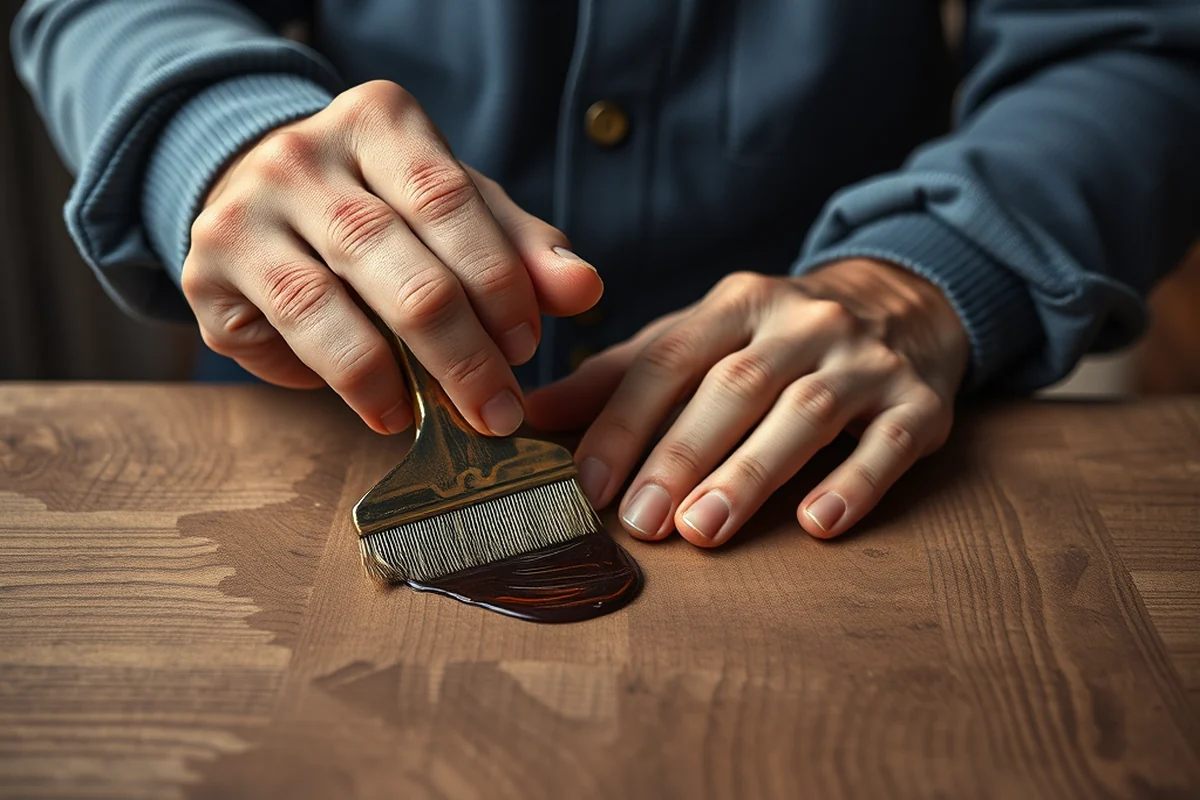
I’ve found that the best approach is to start with the person’s interests. If they enjoy puzzles, a DIY jigsaw puzzle might be perfect. If they like cards, a simple memory or matching game can be a great option. I once made a memory game for a senior who had a love for gardening — I used pictures of different plants and flowers, which immediately sparked her interest.
It’s also important to consider mobility. If someone has limited hand strength or dexterity, I recommend using larger pieces and avoiding sharp edges. I made a puzzle game with oversized cardboard pieces for a friend with arthritis, and it was a huge hit. The larger size made it much easier to handle.[2]
Lastly, think about the space available. Some games can be played on a table, while others are better suited for floor activities. I once made a large floor game for a senior who lived in a small apartment — it was spread out over the floor and played like a traditional board game. With bigger pieces for easier access.
The best game is the one that fits the person’s life and interests.
Related: Diy old page book ideas
Related: Another word for old decor
Related: Diy old home renovation
Related: Diy Dry Aging Chamber
Related: Diy Gifts For Older Men
Related: Best Recliners For Seniors
Related: Easy To Use Iphone For Seniors
Related: Crafts For Seniors
Related: What Is The Best Golf Irons For Seniors
Related: Walkers For Seniors With Seat
Related: Bed Rails For Seniors
Related: Recliners For Seniors
Related: Best Recliners For Seniors Consumer Reports
Making a Memory Matching Game
To make a memory matching game, I start by cutting cardboard into square pieces, about 4 inches by 4 inches. Then, I use fabric scraps or felt to cover each piece. Once the fabric is attached, I cut out shapes or use printed images that are meaningful to the person playing.
I’ve used photos of family members, landmarks, or even animals — anything that sparks recognition or memory. Once the cards are made, I pair them up and shuffle them. The goal is to find the matching pairs, and I’ve found that this game is great for improving memory and concentration.
I’ve made several of these games, and they’re always a hit. One of my favorites was made with fabric squares and simple embroidered shapes, which added a tactile element that made the game even more engaging.
Adding texture or embroidered details can make the game more engaging for seniors with visual or sensory needs.
“When I first moved my grandmother into a retirement community, I noticed she spent a lot of time alone in her apartment, staring out the…”— DIY Furniture for Elderly editors
Related: The Best Adjustable Beds For Seniors
Creating a Custom Jigsaw Puzzle
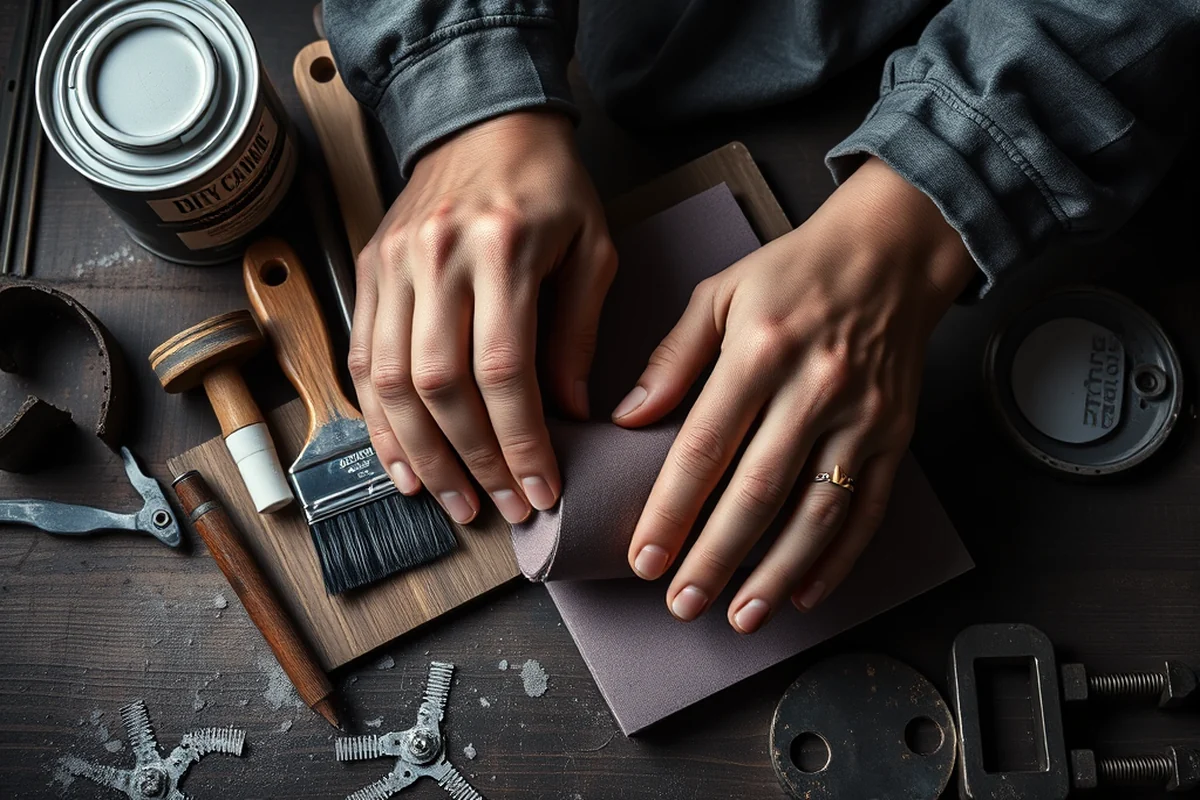
I made a custom jigsaw puzzle for my grandmother using a photo of her favorite garden. I printed the photo on cardboard and then used a jigsaw puzzle cutter to make the pieces. It was a bit time-consuming, but the result was worth it — she loved having a puzzle that was uniquely hers.
One of the best things about making a custom puzzle is that it can be tailored to the person’s interests. I’ve made puzzles with landscapes, family photos, and even simple geometric patterns. It’s a great way to keep the mind active and engaged.
I’ve also found that using large pieces makes it easier for seniors with limited dexterity to handle. I once made a puzzle with oversized pieces for a friend, and it was a hit because it was easier to manipulate and less frustrating to play.
Designing a Simple Card Game
One of the easiest DIY games for seniors is a simple card game made from cardboard or thick paper. I start by cutting the material into rectangles and then drawing or printing symbols or numbers on each one. Once the cards are made, I shuffle them and play a simple matching or sorting game.
I’ve made several variations of this game, including one where the cards have images of animals, and the goal is to match them by species. It’s a fun way to keep the mind active and engaged. I’ve also made a game with numbers, which is great for improving recognition and counting skills.
One of my favorite versions was a game using large cards with bold text and images, which made it easier for seniors with visual impairments to play. I’ve found that the simplicity of the game is what makes it so effective — it’s easy to learn and play, even for those with limited mobility.
How to Store and Organize Your Games
I’ve learned through experience that proper storage can make a big difference in how often a game is played. I use clear plastic bins or labeled boxes to keep the games organized. I’ve also found that labeling the boxes with the name of the game and the number of players makes it easier to find the right game quickly.
I’ve made custom storage solutions using old containers and fabric, which not only keeps the games safe but also adds a decorative touch to the space. One of my favorite storage ideas was using a vintage tin box to hold a set of memory cards — it was both practical and charming.
Another tip is to keep the games in a central location where they’re easily accessible. I’ve made sure to place my games on a shelf or in a drawer that’s within reach. I’ve found that this makes it much more likely that they’ll be used regularly.
A well-organized game collection is a well-used one.
Adapting DIY Games for Different Abilities
One of the most important things I’ve learned is that DIY games for seniors can be customized to meet specific needs. For example, I’ve made a puzzle game with larger pieces for someone with limited dexterity, and I’ve used bold, high-contrast colors for those with visual impairments.
I’ve also made games that are played with voice commands or touch, which are great for seniors with limited mobility. I once made a simple matching game that used large fabric pieces with raised dots, which made it easier for someone with limited vision to play.
Another adaptation I’ve made is using tactile elements, like fabric textures or embroidered patterns, to help seniors with sensory needs. I’ve found that these small changes can make a big difference in how accessible and enjoyable a game is for seniors.
💰 Budget Build
Create a simple memory game using cardboard, glue, and fabric scraps — perfect for those on a tight budget.
⏰ Weekend Version
Make a custom jigsaw puzzle in one weekend using a printed photo and a puzzle cutter — ideal for a quick, meaningful project.
✨ Upgraded Finish
Enhance your game with custom embroidery, fabric wraps, or wooden frames for a more polished and elegant look.
🛋️ Small-Space Adaptation
Design a compact card game that’s easy to store and play on a table or lap — perfect for small apartments or care facilities.
🧳 Rental-Safe Option
Make a game with reusable materials, like felt or plastic, that can be easily packed up and taken to a new home without damage.
| The mistake | Why it happens | The fix |
|---|---|---|
| Using sharp edges on puzzle or card pieces | Sharp edges can be dangerous for seniors, especially those with limited dexterity or mobility. | Always round the edges of pieces or use fabric to cover them for a safer experience. |
| Not using enough contrast in visual games | Low-contrast colors can make it difficult for seniors with visual impairments to see and play the game. | Use bold, high-contrast colors or add tactile elements to make the game more accessible. |
| Making the pieces too small | Small pieces can be frustrating and difficult for seniors with limited hand strength to handle. | Use larger pieces or adapt the game to use larger, easier-to-manipulate components. |
| Not considering the storage space | Poorly stored games can get lost or damaged, making them less likely to be used regularly. | Use clear bins or labeled boxes to keep games organized and easily accessible. |
Diy Games For Seniors
Common Questions
How long does it take to make a DIY game for seniors?
Can I make these games with someone who has limited mobility?
What materials do I need to make a DIY game?
Are these games safe for seniors with visual impairments?
Cite this guide
DIY Furniture for Elderly (2026). Diy Games For Seniors. https://seniordrift.com/diy-games-for-seniors/
Feel free to cite or share this guide.
References
- CHAMPS Activities Questionnaire for Older Adults - CADC-UCSF (cadc.ucsf.edu)
- Senior Games | Chemung County, NY (chemungcountyny.gov)
- Games | Hurricane Utah Senior Citizen Center (coa.washco.utah.gov)
- Museum In My Pocket: An Off-the-Wall Art Game (americanart.si.edu)
- Senior Games Registration Open through May 15 - Bucks County (buckscounty.gov)