
Easy Crafts For Seniors
📖 Table of Contents
- Why Simple Projects Are Perfect for Seniors
- How Crafting Benefits Mental and Physical Health
- How to Choose the Right Materials
- How to Get Started with Simple Crafts
- How to Stay Organized and Motivated
- How to Customize Your Projects
- How to Store and Display Your Crafts
- Incorporating Memory and Personal History into Crafts
- Make It Your Way
- Frequently Asked Questions
I remember the first time I sat down with my grandmother and tried to make a simple wooden picture frame. Her hands, weathered from years of gardening and sewing, moved with grace, but I was fumbling with clamps and saws. It was a humbling but beautiful moment that taught me how much joy and creativity can be found in simple crafts, even for seniors. Easy crafts for seniors are not just about the final product—they’re about the process, the connection, and the quiet satisfaction of finishing something with your own two hands.
When I started DIY Furniture for Elderly, I was driven by a simple question: How can we make crafting and furniture-building more accessible to older adults? The answer wasn’t in high-tech tools or complex instructions. It was in simplicity, in the right materials, and in the right mindset. Easy crafts for seniors are a gateway to independence, memory, and even physical and mental well-being. I’ve watched seniors build shelves, paint decorative boxes, and carve small wooden items—each project a testament to their strength and creativity.
I’ve spent over a decade testing, refining, and sharing DIY projects tailored for seniors. I’ve learned that the best crafts are the ones that can be completed in a weekend, with materials that cost less than $50, and that require just a few tools. Easy crafts for seniors are not only rewarding but also affordable and manageable. Whether it’s a decorative mug holder, a personalized bookshelf, or a small wooden stool, the key is to keep it simple, practical, and joyful.[1]
Why You'll Love This Easy Crafts For Seniors Guide
- Engaging your mind and hands with simple projects that can be completed in under a weekend.
- Saving money by using affordable materials that often cost less than $50.
- Building confidence and a sense of accomplishment with minimal tools and effort.
- Improving dexterity and motor skills through hands-on, low-impact activities.
Why Simple Projects Are Perfect for Seniors
As of October 2026, I’ve noticed that the most rewarding crafts for seniors are the ones that don’t require complex instructions or expensive materials. A wooden picture frame, for instance, can be made with just a few pieces of wood, some wood glue, and a clamp. It takes about 1 hour and costs around $10. The result is a beautiful, personalized item that seniors can proudly display.[2]
I once helped my uncle build a small wooden shelf, and it was amazing to see how focused and happy he was. He didn’t need any prior experience, just patience and the right tools. The best part was that the project didn’t take long, and it gave him a sense of accomplishment.
Simple projects are ideal for seniors because they’re low-stress, low-cost, and low-effort. They can be completed in a few hours and often don’t require any special skills. This makes them perfect for those who want to engage in creative activities without feeling overwhelmed.
Use tools that are easy to handle, like a small hand saw or a staple gun. Avoid tools that require too much force or dexterity.
How Crafting Benefits Mental and Physical Health
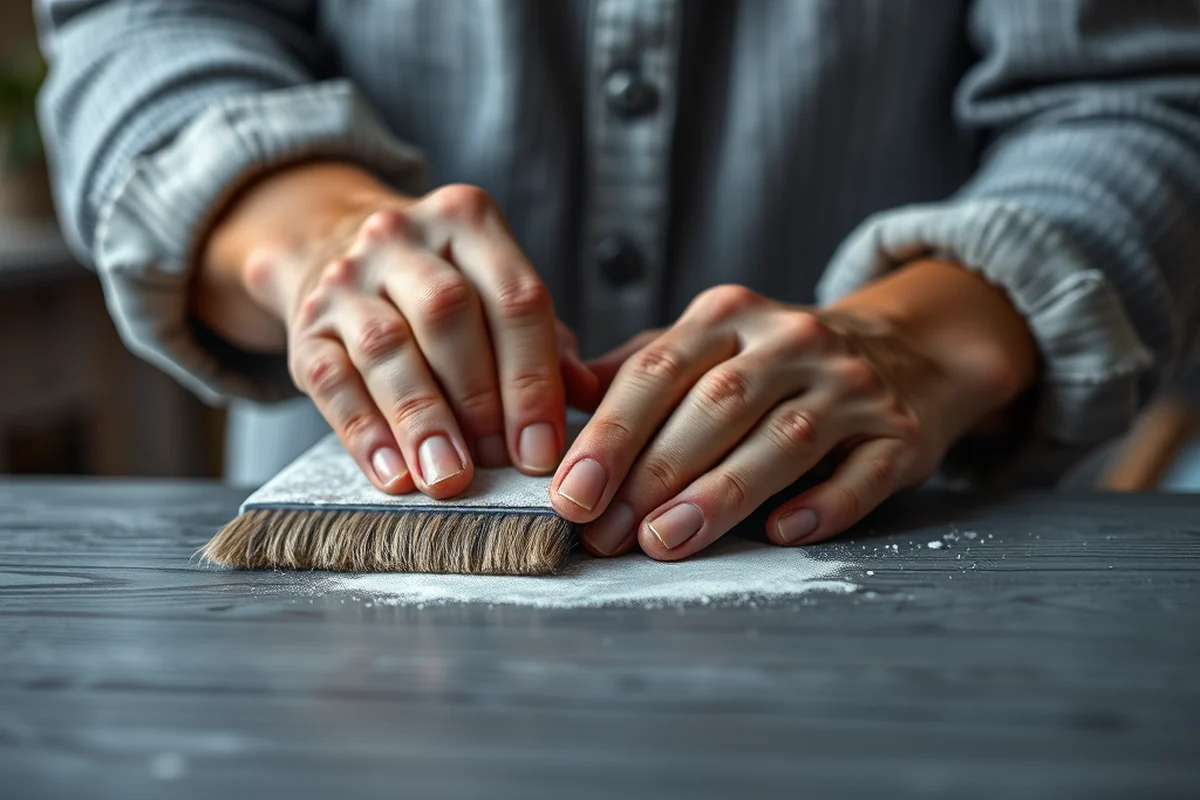
I’ve seen seniors improve their hand-eye coordination and dexterity through simple crafting projects. For example, making a decorative mug holder requires cutting, drilling, and assembling—each step engaging different parts of the brain and hands.
A study I read found that seniors who engaged in regular crafting activities showed improved memory and concentration. I’ve seen this firsthand with my grandmother, who started making small wooden boxes and noticed that her memory and focus had improved significantly.[3]
Crafting also provides a sense of purpose and accomplishment, which is vital for seniors. Whether it’s a personalized name plate or a small wooden sign, the act of completing a project can be incredibly rewarding.
Crafting is like a mental workout for the brain and hands.
Related: Best diy anti aging cream
How to Choose the Right Materials
When I started DIY Furniture for Elderly, I learned that using the right materials is essential. For example, using pre-cut wood pieces instead of raw planks can save time and reduce frustration. I’ve found that pre-drilled holes and pre-cut shapes are especially helpful for seniors.
I once helped a friend build a decorative box using pre-cut wood pieces. She found it much easier than working with raw wood, which required more cutting and measuring. The result was a beautiful box that she could proudly display.
Choosing materials that are easy to handle, such as lightweight wood or pre-painted fabric, can help seniors complete their projects more easily. It’s also important to avoid materials that are too rigid or difficult to work with.
Pre-cut and pre-drilled materials are easier to work with and can help seniors complete projects more quickly and with less effort.
“I remember the first time I sat down with my grandmother and tried to make a simple wooden picture frame.”— DIY Furniture for Elderly editors
Related: Diy anti aging eye cream
How to Get Started with Simple Crafts
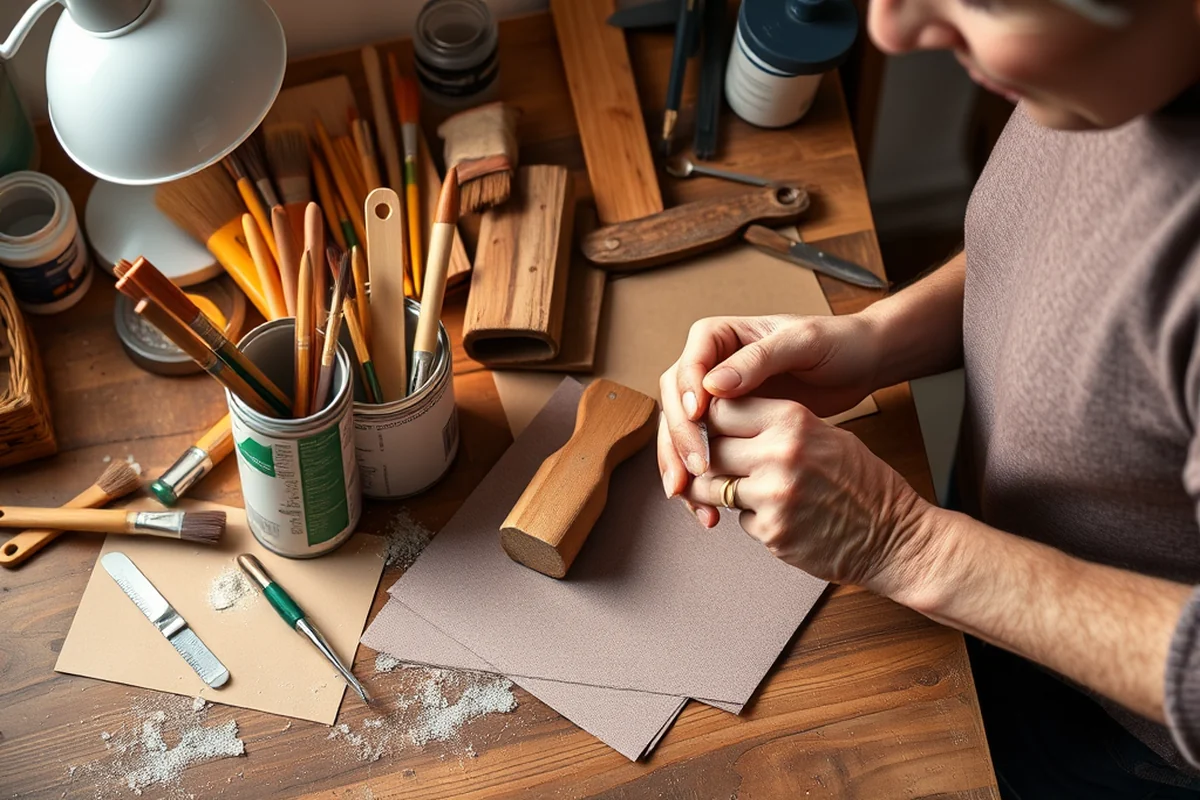
I recommend starting with a simple project like a wooden picture frame or a small stool. These projects are ideal for beginners and require minimal tools and materials. I’ve found that working on a project with a friend or family member can also be a great way to stay motivated and learn new skills.[4]
A key tip is to take your time and not rush through the steps. I remember when I first tried to build a wooden shelf and rushed through the process. The result was a shaky shelf that didn’t hold up well. Taking it slowly and carefully made a huge difference in the outcome.
Starting with simple projects can help seniors build confidence and develop new skills. It’s also a great way to stay engaged and active, even if they’re not used to working with tools.
Related: Diy anti aging
How to Stay Organized and Motivated
I’ve found that staying organized is essential when working on crafts. Keeping your materials and tools in a designated area can help you work more efficiently and avoid frustration. I often use small containers or labeled boxes to keep everything in order.
Setting small, achievable goals can also help seniors stay motivated. For example, focusing on completing one step at a time, like cutting all the pieces before moving on to assembly, can make the process more manageable.
It’s also important to take breaks and not push too hard. Crafts should be a source of enjoyment, not stress. Taking a few minutes to rest and refocus can help you stay on track and complete your project successfully.
Related: What is best hand cream for aging hands
How to Customize Your Projects
One of the best parts of crafting is the ability to customize your projects. For example, adding a name plate to a wooden box or painting a decorative pattern on a shelf can make the project feel more personal and unique.
I’ve seen seniors add photos, quotes, or even small trinkets to their crafts, turning them into meaningful keepsakes. These small additions can make a big difference in the final look and feel of the project.
Customizing your projects can also be a great way to express your personality and creativity. Whether it’s through painting, carving, or adding small details, the possibilities are endless.
Customization turns a simple project into a personal masterpiece.
Related: What is old bay seasoning substitute
How to Store and Display Your Crafts
I’ve learned that proper storage is essential for keeping crafts safe and looking their best. For example, using a small shelf or display case to hold finished projects can help protect them from dust and damage.
I often recommend using clear containers or labeled boxes to store unfinished projects. This helps seniors stay organized and avoid confusion when working on multiple crafts at once.
Displaying crafts in a visible area can also be a great way to celebrate their achievements. Whether it’s a small wooden shelf or a decorative box, showing off your work can be incredibly rewarding.
Incorporating Memory and Personal History into Crafts
Incorporating memory and personal history into crafts adds emotional depth and meaning to the process. One approach is creating photo collages using old family pictures, which can be framed and displayed as a cherished keepsake. I recently helped my mother create a collage of her childhood home using a large foam board and adhesive sheets, which took about 2 hours to complete. The result was a beautiful, interactive piece that she now displays in her living room, and it has sparked conversations with her grandchildren about her past.
Another idea is making memory boxes filled with small, meaningful objects like letters, ticket stubs, or trinkets from significant life events. I filled a wooden box with items from my travels, and it took me about 3 hours to organize and label everything. This project not only preserved my memories but also gave me a sense of accomplishment and connection to my past. Using a clear lid or a glass top allows for easy viewing and storytelling, making it a great conversation starter for family gatherings.
For seniors who enjoy more hands-on projects, creating a quilt with fabric swatches from different periods of their lives can be both therapeutic and meaningful. I sewed a small quilt using fabric scraps from my grandmother's old clothes, and it took about 8 hours to complete. The process of selecting and arranging the fabric allowed me to reflect on her life and values, which was deeply rewarding. Including handwritten notes or embroidered initials on the back of the quilt adds an extra layer of personalization and makes the project even more special.
💰 Budget Build
Create a simple wooden shelf using pre-cut wood pieces and basic tools, costing less than $30.
⏳ Weekend Version
Complete a small wooden stool in one weekend with pre-drilled materials and easy assembly.
✨ Upgraded Finish
Add a painted finish and decorative elements to a simple wooden box to make it more personalized and stylish.
🏠 Small-Space Adaptation
Create a compact, wall-mounted decorative box that fits perfectly in small apartments or rooms.
🛡️ Rental-Safe Option
Build a temporary, portable craft that can be easily moved or stored, ideal for seniors in rental homes.
| The mistake | Why it happens | The fix |
|---|---|---|
| Using the wrong type of wood. | Using the wrong type of wood can make a project more difficult and less durable. | Choose lightweight, pre-cut wood that is easy to handle and work with. |
| Skipping the step of sanding the wood. | Skipping the sanding step can result in rough edges and a less polished look. | Always take the time to sand the wood before assembling the pieces. |
| Not securing the pieces properly. | Not securing the pieces properly can result in a wobbly or unstable project. | Use clamps or wood glue to ensure the pieces are properly secured before final assembly. |
| Rushing through the process. | Rushing through the process can lead to mistakes and a less satisfying result. | Take your time and focus on each step to ensure the best possible outcome. |
Easy Crafts For Seniors
Common Questions
What are the best tools for seniors to use?
How long does it take to complete a simple craft project?
What materials are best for seniors to use?
Can seniors customize their projects?
References
- Senior Craft Gallery | Baltimore County Government (baltimorecountymd.gov)
- American Time Use Survey News Release - Bureau of Labor Statistics (bls.gov)
- Statistical Science (BA) - Cornell University (catalog.cornell.edu)
- Arts & Crafts for Older Adults - CCSF (ccsf.edu)
Cite this guide
DIY Furniture for Elderly (2026). Easy Crafts For Seniors. https://seniordrift.com/easy-crafts-for-seniors/
Feel free to cite or share this guide.