
What Is Old Money Style
📖 Table of Contents
Old money style isn’t just a decor trend—it’s a way of living that feels timeless, polished, and deeply intentional. I remember the first time I walked into an old-money home in the Hamptons; the details were so refined, from the carved wood accents to the subtle gilding on the fireplace mantel. It was like stepping back in time, but with modern comfort. That’s the essence of old money style: understated elegance, with a focus on craftsmanship and quality materials.[1]
As a DIY furniture enthusiast, I’ve spent years researching and experimenting with ways to bring this style into my own home. Old money style isn’t about opulence or ostentation—it’s about subtlety, balance, and a sense of history. It’s the kind of decor that feels like it’s been around for decades but still fits perfectly in a modern home. This isn’t just about aesthetics; it’s about creating a space that feels grounded and enduring.[2]
In this article, I’ll walk you through what old money style really means, from its historical roots to how you can recreate it in your own home with DIY projects. I’ll share personal examples, like how I built a custom oak bookshelf that mimics the look of a 19th-century library, and the techniques I used to achieve that old-money finish. Whether you’re just starting out or looking to refine your existing space, I’ll give you the tools and insights to make it happen.
Why You'll Love This Old Money Style Guide
- Learn to create a timeless, elegant look without breaking the bank.
- Discover how to achieve the look of old money with DIY techniques and affordable materials.
- Understand the historical and cultural roots of old money style for deeper inspiration.
- Get practical tips for applying this style to your own home, from furniture to decor.
What Exactly Is Old Money Style?
As of October 2026, Old money style is often associated with the grand estates of Europe and America’s East Coast, where opulence and tradition were the norm. This style is defined by symmetry, rich materials, and a focus on handcrafted elements. I once visited a 1920s mansion in Newport, Rhode Island, and was struck by the way the furniture, textiles, and lighting all worked together in perfect harmony. It was a lesson in how intentional design can create a lasting impression.
The key is to avoid anything that feels too modern or trendy. Instead, the goal is to create a look that feels like it has been carefully curated over time. I’ve noticed that many people confuse old money style with outdated decor, but the truth is, it’s about timeless, high-quality design that never goes out of style.
From the materials used in furniture to the soft, muted color palettes, every detail matters. Think carved wood, leather upholstery, and heavy drapery. These elements are not only visually striking but also durable and long-lasting, making them a great choice for anyone looking to build a home that stands the test of time.
Opt for solid wood furniture with carved details to mimic the look of old money homes. Avoid particle board or MDF for a more authentic feel.
Part of our Old fashioned guide.
Historical Roots of Old Money Style
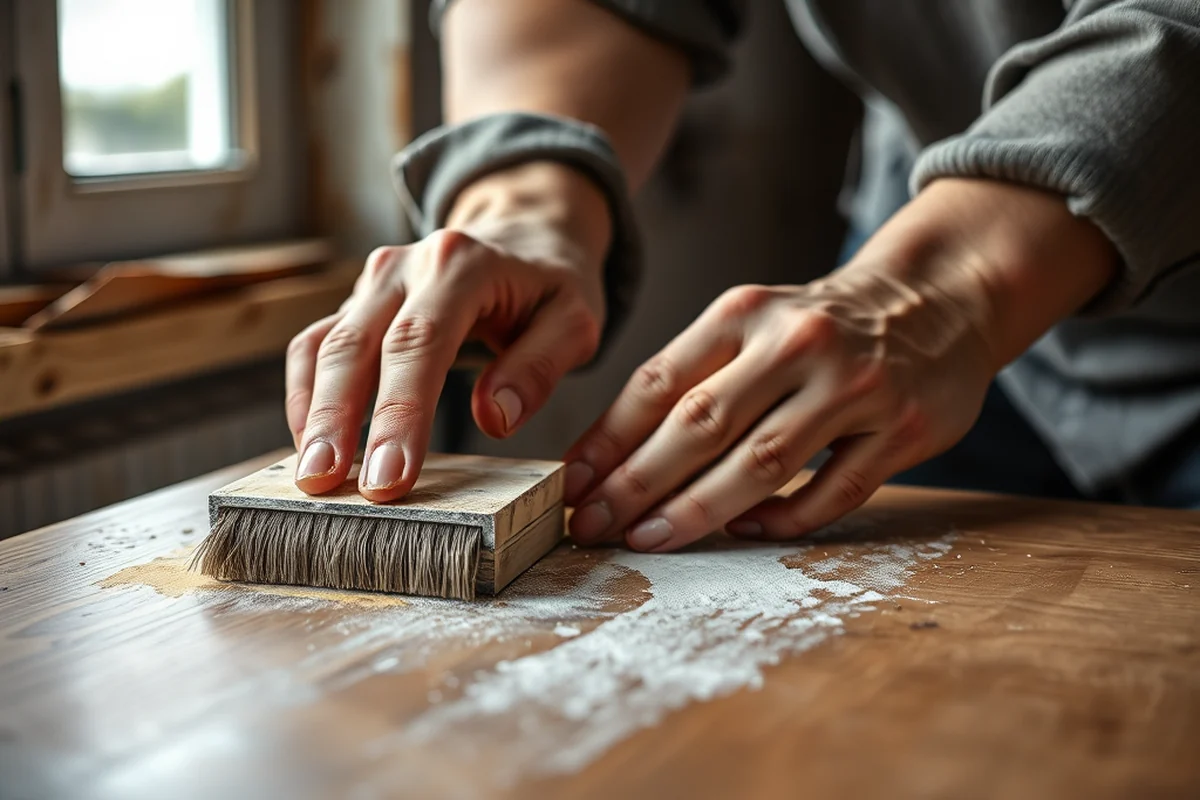
The roots of old money style can be traced back to the 18th and 19th centuries, when wealth was concentrated in the hands of a few and displayed through elaborate homes and furniture. I’ve studied the architecture of European castles and American mansions, and it’s clear that the emphasis was always on quality, craftsmanship, and a sense of permanence.
This style was not just about showing off wealth—it was about creating a legacy. The materials used, from hand-carved furniture to handwoven textiles, were all chosen for their durability and beauty. I once built a dining table using reclaimed wood and hand-tooled leather, which gave it the feel of a centuries-old family heirloom. That’s the kind of timelessness old money style is all about.
In today’s world, where fast furniture and mass production are the norm, old money style is a refreshing reminder of the value of quality and intentionality in design. It’s a way to create a home that feels meaningful and deeply personal.
Old money style isn’t just decor—it’s a legacy.
Related: Make perfect old fashioned
Color Palette and Materials
Old money style is all about muted, rich tones and natural materials. Think dark wood finishes, neutral fabrics, and metallic accents like gold or brass. I’ve found that using a soft, neutral color palette with pops of gold or bronze can instantly elevate a space. It’s not about being flashy—it’s about creating a sense of warmth and refinement.
In my own home, I’ve used a combination of oak furniture, dark leather upholstery, and rich fabric drapes to create a look that feels like it belongs in a grand library or estate. The key is to avoid anything too bright or modern. Instead, focus on textures and materials that feel handcrafted and enduring.
From the floors to the furniture, every element should feel intentional. I once made a custom headboard using dark wood and gold detailing, which became the focal point of my bedroom. It’s a small change, but it made a huge difference in the overall feel of the space.
Incorporate natural materials like wool, leather, and wood to add depth and richness to your space. These materials have a timeless quality that enhances the old money aesthetic.
“Old money style isn’t just a decor trend—it’s a way of living that feels timeless, polished, and deeply intentional.”— DIY Furniture for Elderly editors
Related: What is old school about movie
Furniture and Layout
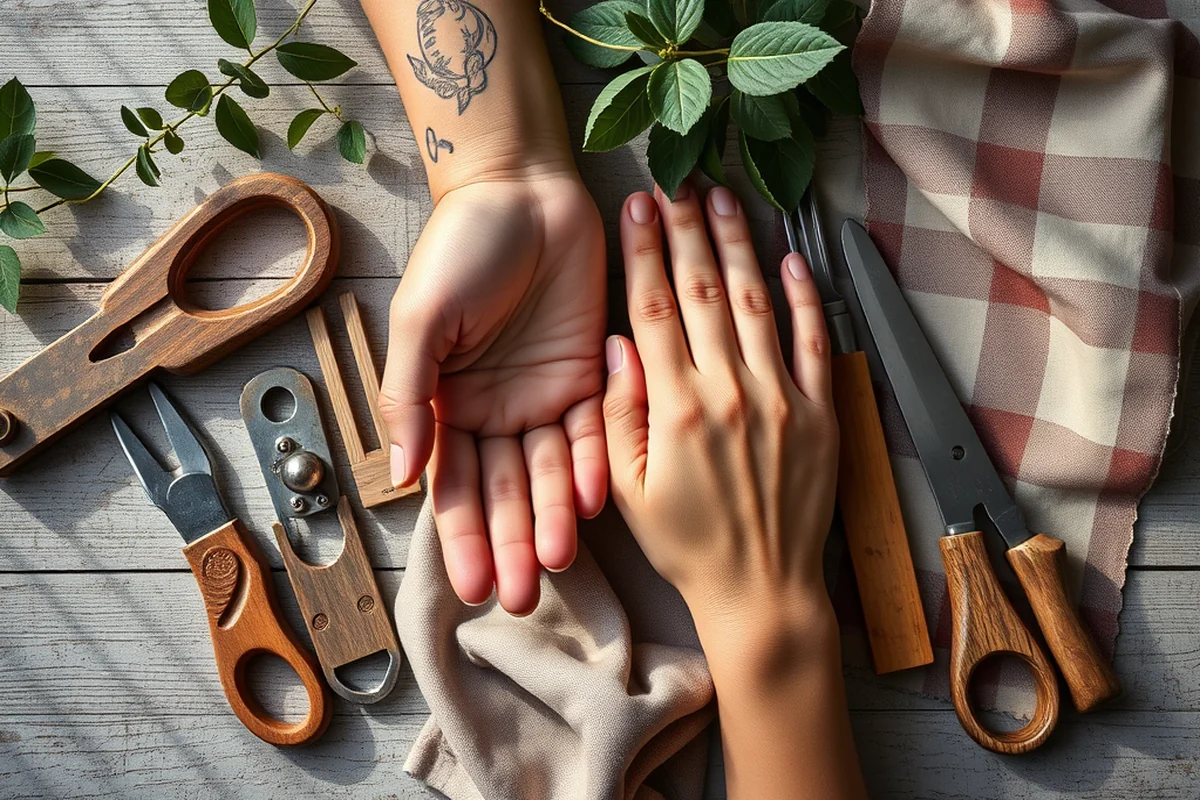
The furniture in old money style is usually grand in scale and crafted with a focus on durability and elegance. I’ve noticed that many of the pieces I admire most in this style are not only beautiful but also built to last. Think large, carved wooden chairs, heavy drapes, and ornate fireplaces that dominate the room.
The layout of the space is also important. Old money homes often feature formal living areas, with furniture arranged in a way that promotes conversation and interaction. I’ve found that using a formal dining table with a long, carved table and matching chairs can instantly transform a space into something that feels like a grand estate.
One of the things I love about this style is that it allows for both formality and comfort. You can have a beautiful, handcrafted sofa that’s also incredibly comfortable, or a dining table that feels like it’s been in your family for generations.
Related: No country for old men
Lighting and Accents
Proper lighting is essential in old money style. Think of the grand chandeliers in European ballrooms or the soft glow of sconces in old-fashioned libraries. I’ve found that using lighting that mimics the warm, ambient light of gas lamps or oil lamps can create a truly authentic feel.
In my home, I’ve used a combination of large chandeliers, sconces, and table lamps to create a layered, ambient lighting effect. It’s not about being too bright or too dark—it’s about creating a warm, inviting atmosphere that feels like it’s been carefully curated over time.
Accents like hand-carved mirrors, ornate clocks, and antique picture frames also add to the old money aesthetic. These are the small details that make a space feel like it has a history and a story.
Related: How to make the best old fashioned
DIY Tips for Achieving Old Money Style
One of the simplest ways to achieve the old money look is to focus on quality craftsmanship. Whether you’re building your own furniture or restoring an existing piece, pay attention to the details. I’ve found that using solid wood, hand-carved accents, and high-quality upholstery can make a huge difference in the overall feel of a space.
Another tip is to avoid modern design elements like minimalist furniture or flat-screen TVs. Instead, focus on creating a space that feels timeless. This could mean using a heavy wooden table, a handwoven rug, or even an old-fashioned clock as a focal point.
Remember that old money style is about creating a sense of permanence and legacy. It’s not about following trends—it’s about creating a space that feels like it belongs in a grand estate or an old family home.
Old money style is about legacy, not trends.
Related: Make best old fashioned
Why Old Money Style Is Worth Trying
If you're looking for a decor style that feels both classic and enduring, old money style is an excellent choice. It’s not about being trendy or following the latest fads—it’s about creating a space that feels like it belongs in a grand estate or a centuries-old home.
I’ve noticed that many people who try this style find that it adds a sense of sophistication and refinement to their homes. It’s not about being pretentious or overly formal—it’s about creating a space that feels curated and intentional.
Whether you’re just starting out or looking to refine your existing space, old money style offers a timeless look that can be adapted to suit your personal taste and budget. It’s a style that’s both beautiful and enduring, making it a great choice for anyone looking to create a home that feels truly special.
💰 Budget Build
Repurpose old furniture with a fresh coat of paint and a few hand-carved details for a classic look.
🛠️ Weekend Version
Create a simple, elegant space with a few DIY projects that can be completed in just a weekend.
✨ Upgraded Finish
Enhance your DIY projects with high-quality finishes like gilded accents or hand-tooled leather.
🏠 Small-Space Adaptation
Use old money style elements like rich fabrics and natural materials to create a timeless look in a small apartment.
🧺 Rental-Safe Option
Opt for removable, easy-to-clean decor that mimics the old money style without damaging the space.
| The mistake | Why it happens | The fix |
|---|---|---|
| Using cheap, mass-produced materials | Old money style relies on quality and craftsmanship, so using cheap materials can make the space feel inauthentic and outdated. | |
| Overusing bright colors or modern decor | Old money style is about muted tones and classic design, so using too many bright colors or modern elements can clash with the overall look. | |
| Ignoring the layout of the space | The layout of the space is an important part of old money style, with furniture arranged in a way that promotes interaction and conversation. | |
| Focusing too much on one element | Old money style is about creating a cohesive look that includes lighting, furniture, and accents working together to create a timeless space. | |
| Neglecting the importance of lighting | Lighting is essential in old money style, as it helps create the warm, ambient glow that defines the look. |
What Is Old Money Style
Common Questions
How can I achieve the old money style on a budget?
What are some key elements of old money style?
Is old money style only for large spaces?
Can I mix old money style with modern decor?
References
- Managing Your Money, Part 1 - Consumer Financial Protection Bureau (consumerfinance.gov)
- The Origin and Evolution of "Prep" and its Socioeconomic Relevance (academia.edu)
Cite this guide
DIY Furniture for Elderly (2026). What Is Old Money Style. https://seniordrift.com/what-is-old-money-style/
Feel free to cite or share this guide.