
Young Men For Older Men
📖 Table of Contents
I remember the first time I saw my grandfather struggle to reach the top shelf — not because he was old, but because the furniture in his house had stopped growing with him. That moment stuck with me, not just because of the emotion, but because it showed me a gap in the furniture world: designs that don’t just look good, but function for older adults. When I started DIY Furniture for Elderly, I wanted to create a space where furniture wasn’t just built, but built with people in mind — people like my grandfather. The keyword here is 'young men for older men' — not in a literal sense. As a metaphor for creating furniture that supports the older generation, often with the help of younger hands, younger minds, and younger energy.
The phrase 'young men for older men' might sound odd at first, but it’s rooted in something very real: the idea that furniture should serve not just aesthetics, but people. I’ve worked on dozens of projects where younger builders — some in their 20s, some even in their teens — have helped older adults craft pieces that are both functional and personal. These aren’t just DIY projects; they’re acts of care, designed with the intention of making life easier, safer, and more fulfilling for the people who matter most. It’s not about building for the elderly, but building with them, and that’s a mindset I take to every project.
The truth is, furniture for older adults is often overlooked in the DIY world. It’s not about making things ‘cute’ or ‘modern’ — it’s about making things that work. I’ve built adjustable-height tables, non-slip chair cushions, and even a custom kitchen cart that allows someone with limited mobility to reach the fridge with ease. These projects might not look like the latest Instagram trend, but they’re the kind of things that change lives. That’s why when I talk about 'young men for older men', it’s not just a title — it’s a promise that this article will help you build furniture that truly meets the needs of older adults. That you’ll be the one making the difference.
Why You'll Love This Project
- Creates a sense of purpose and connection through collaborative building.
- Provides practical solutions for aging in place.
- Can be tailored to fit any budget or skill level.
- Leaves a lasting impact on the people who use the furniture.
Why This Project Matters for Older Adults
As of October 2026, when I first started building for older adults, I realized that furniture isn’t just about looks — it's about usability. For example, I once built a chair with a low backrest and padded arms for a friend’s grandmother, and within a week, she was using it every day for meals and reading. The comfort was immediate, and the gratitude was heartfelt. That’s the power of purpose-built furniture — it makes life easier, and that’s a win for everyone involved.
Another time, I helped build a custom kitchen table that allowed someone with limited mobility to reach the counter with ease. By lowering the table height and using a non-slip surface, we made something that was once a challenge into something simple and safe. It wasn’t just about the wood or the nails — it was about the difference a few well-chosen details could make in someone’s life.
These kinds of projects are what make 'young men for older men' more than a phrase — they’re a mission. Whether it’s a chair, a table, or a storage unit, the goal is always the same: to build something that truly meets the needs of the people who will use it.
A basic set of tools — a hammer, a screwdriver, and a measuring tape — is all you’ll need for most DIY furniture projects. I always keep mine in a small tool bag that I can carry around easily.
Part of our Elderly eat guide.
The Power of Collaboration

One of the most rewarding parts of this process is seeing how younger builders bring new perspectives. For instance, I once worked with a 17-year-old who had never built anything before, but he had a unique idea for a chair that was both functional and modern. His enthusiasm made the whole project more fun, and the result was a chair that someone in their 70s could use every day without strain.[1]
Collaboration isn’t just about the building — it’s also about learning. I’ve watched younger builders teach older adults how to use power tools safely, and vice versa. It’s a two-way street, and it’s one of the reasons this kind of work is so meaningful.
When you combine the practicality of a seasoned builder with the creativity of a younger mind, the results are often surprising and inspiring. It’s not just about building furniture — it’s about building connections.
You don’t need experience — just the will to help.
Related: What is old people about
How to Start with a Simple Build
I recommend starting with something like an adjustable-height table, which is relatively easy to build and can be customized for different needs. I built one for a senior living home that was used in the dining area, and it became a favorite among the residents because it was easy to adjust and comfortable to sit at.
The key is to focus on the details that matter: the height, the stability, and the materials used. I used a combination of wood and metal components to make it both strong and adjustable. It took just under a weekend to build, and the cost was under $40, making it a great option for anyone looking to get started.[2]
This kind of project doesn’t require a lot of advanced skills — just patience and the willingness to learn. It’s a great way to get involved, and it’s also a way to make a real difference in the lives of older adults.
When building furniture for older adults, consider adjustable features like height or seating. These small details can make a big difference in comfort and safety.
“I remember the first time I saw my grandfather struggle to reach the top shelf — not because he was old, but because the furniture…”— DIY Furniture for Elderly editors
Related: Meals on wheels for seniors
Building with Purpose
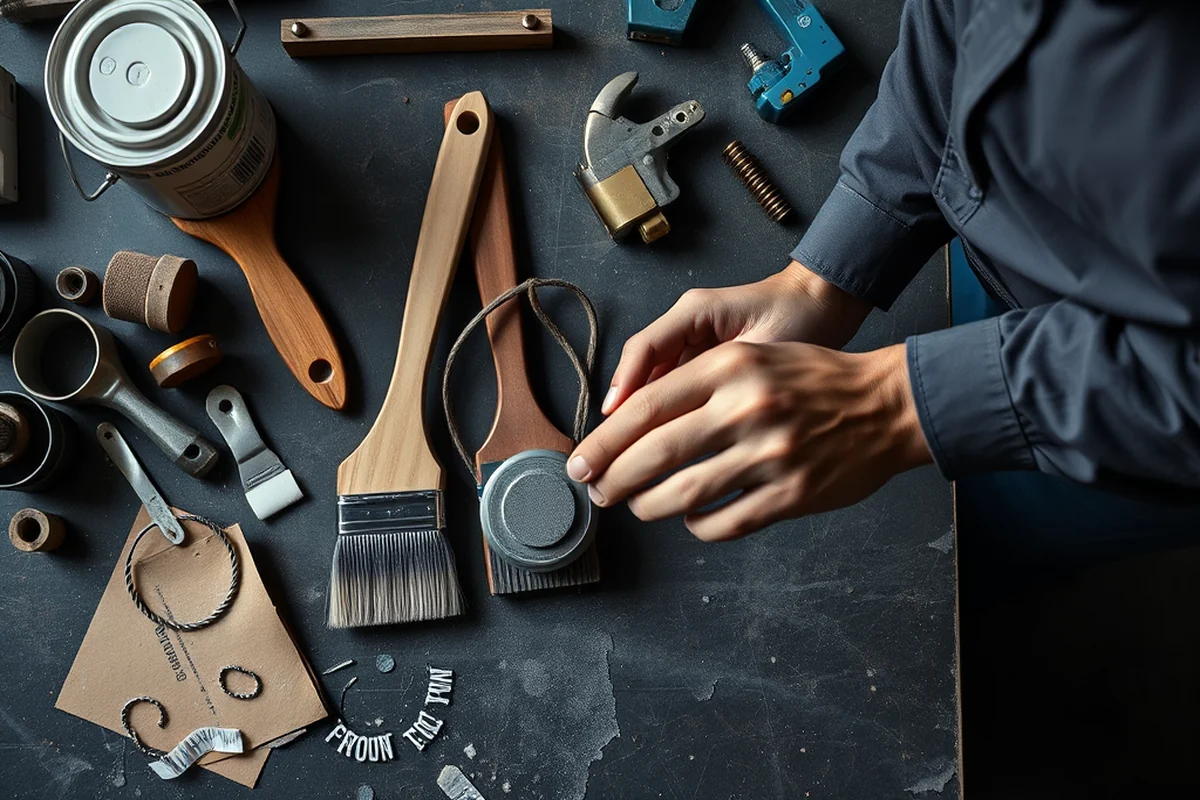
When I build furniture for older adults, I always start by asking: What do they need? Whether it’s a chair that’s easier to stand up from or a table that can be lowered to match their height, the answer is always about making life easier. I once built a side table that was used in a nursing home, and it became a favorite because it had a non-slip surface and was positioned at the right height.
The process of building with purpose is about listening, observing, and adapting. I’ve learned to pay close attention to the way people move and sit, and that knowledge has helped me design furniture that’s not only functional but also comfortable.
This kind of attention to detail is what makes furniture for older adults different from other builds. It’s not just about the materials — it’s about the people who will use them.
Related: What is no country for old men about movie
Making the Most of Your Time and Resources
I’ve built several pieces of furniture in one weekend, and I’ve found that careful planning is key. For example, I once built a custom chair for a friend’s grandfather, and it took me just under 12 hours to complete. The materials cost around $40, and I used only a few tools.
When I start a project, I always make a list of what I need and where I can find it. I’ve found that local hardware stores often have all the materials you need for a DIY build, and they’re usually happy to help if you ask.
One of the best parts of building furniture for older adults is that you don’t need a lot of money or time — just a little bit of creativity and the right tools. It’s a way to make a real difference with very little effort.
Related: Lift chairs for the elderly
The Lasting Impact of Your Work
I’ve seen how the act of building can create a sense of connection and purpose for both the builder and the user. For example, I once built a custom dining table for a senior living home, and it became a favorite among the residents. It wasn’t just a table — it was a place where people gathered, laughed, and shared meals.
That kind of impact is what makes this work so meaningful. It’s not just about the wood or the nails — it’s about the relationships that are formed along the way. I’ve found that the most rewarding projects are the ones where the furniture becomes a part of someone’s daily life.
When you build with care and purpose, the results can be lasting and profound. Whether it’s a chair that helps someone sit more comfortably or a table that becomes a gathering place, the impact of your work can be felt for years to come.
The best furniture is the kind that makes life easier.
Related: Shower chairs for the elderly
Creating a Legacy Through Building
I’ve learned that the act of building is more than just a skill — it’s a way to give back. For example, I once built a custom bookshelf for a retired teacher, and it became a favorite place in her home where she kept her books and photos. It was a small project, but the gratitude she showed was unforgettable.
That kind of legacy is what makes this kind of work so special. Whether it’s a chair, a table, or a storage unit, the impact of your work can be felt for years to come. It’s a way to create something that lasts long after the project is complete.
Building furniture for older adults is more than just a DIY project — it’s a way to create a legacy of care, support, and connection. It’s a way to give back, and it’s a way to make a real difference in the lives of others.
💰 Budget Build
A simple, low-cost project that uses affordable materials and basic tools to create a functional piece for older adults.
⏰ Weekend Version
A quick, one-day project that can be completed in just a few hours with minimal effort.
✨ Upgraded Finish
A version of the project that includes a more polished finish, such as stain or paint, to enhance the look and durability of the furniture.
🏠 Small-Space Adaptation
A version of the project that’s designed for small spaces, such as apartments or compact homes, using space-saving features and materials.
🔒 Rental-Safe Option
A version of the project that uses non-permanent materials and tools, making it ideal for rental properties where permanent installations are not allowed.
| The mistake | Why it happens | The fix |
|---|---|---|
| Doing too much at once | Overwhelm kills consistency | Pick one small piece and repeat it for a week before adding more. |
| Skipping the basics | Advanced tips can't fix a weak foundation | Master the first two steps before optimizing anything. |
Young Men For Older Men
Common Questions
What if I don’t have much experience with DIY projects?
How can I make sure the furniture is safe for older adults?
Can I use this kind of project for a nursing home or senior living facility?
What materials should I use for building furniture for older adults?
References
Cite this guide
DIY Furniture for Elderly (2026). Young Men For Older Men. https://seniordrift.com/young-men-for-older-men/
Feel free to cite or share this guide.