
Reviews About Yesteryear
📖 Table of Contents
- The Value of Historical Reviews in DIY Furniture
- The Emotional Impact of 'Reviews About Yesteryear'
- The Practical Benefits of 'Reviews About Yesteryear'
- How 'Reviews About Yesteryear' Can Inspire Creativity
- The Role of Community in 'Reviews About Yesteryear'
- The Future of 'Reviews About Yesteryear'
- The Personal Connection in 'Reviews About Yesteryear'
- Make It Your Way
- Frequently Asked Questions
I still remember the first time I stepped into my grandmother's attic. It was a cold, overcast afternoon, and the dust motes danced in the slanted light like tiny ghosts. She had just passed, and her house was full of stories, most of which were trapped in the creaky furniture and the scent of old wood. As I ran my hands over a wobbly table she had made in the 1950s, I realized that 'reviews about yesteryear' weren't just about nostalgia — they were about understanding the craftsmanship and the lives behind every piece of furniture. That attic, with its clutter and chaos, became the starting point for my journey into DIY furniture, a journey that has taught me more about people than about wood or nails.[3]
One of the first things I noticed was how different the tools and techniques were back then. My grandmother's table, for example, had hand-carved details and a finish that still felt smooth to the touch despite its age. I started to wonder — how did she do it? What were the best practices of the time? What lessons could modern DIYers learn from those early days? 'Reviews about yesteryear' became more than a curiosity; they became a guidepost. These reviews, whether from family members, antique appraisers, or fellow DIYers, held the keys to understanding the values and techniques that built furniture before the rise of mass production.[4]
As I spent more time in that attic, I began to see a pattern. Every piece of furniture told a story — of the person who made it, the tools they used, and the materials they had available. Whether it was a hand-carved rocking chair or a simple pine shelf, each item had a soul. I realized that 'reviews about yesteryear' weren’t just about looking back — they were about connecting with the past in a tangible way. I started collecting these reviews, and slowly, what began as a personal project turned into a passion. Today, that attic is a wellspring of inspiration, and the lessons I've learned from those early pieces of furniture continue to shape my work in the DIY and furniture world.[5]
Why You'll Love This Approach to Reviews About Yesteryear
- Discover timeless techniques and materials used by generations of craftsmen.
- Gain insight into the personal stories and values behind vintage furniture.
- Connect with the past in a meaningful, hands-on way through DIY projects.
- Inspire your own creative process by learning from the work of those who came before.
The Value of Historical Reviews in DIY Furniture
As of October 2026, when I first started exploring 'reviews about yesteryear', I was surprised by how much detail people provided about the wood, the joinery, and even the finish of antique furniture. One review, for instance, described a hand-carved dining table with a 'tight, interlocking mortise and tenon joint that hasn’t shifted in over 70 years.' These details are invaluable for DIYers who want to replicate the durability and craftsmanship of older pieces.[1]
I’ve found that these reviews often highlight the materials used — whether it was solid oak from local mills or a blend of reclaimed wood and metal fittings. Knowing which materials held up over time has helped me avoid common pitfalls, like using particle board in areas that experience frequent stress.
One of the most useful aspects of 'reviews about yesteryear' is the insight they offer into the tools and methods of the past. For example, I once read a review that described how a craftsman from the 1940s used hand-driven clamps and a simple router to create a seamless, curved backrest. It wasn’t just about the technique — it was about the patience and precision that made the piece last.
Look for reviews that mention specific tools and techniques from the past — they can guide you to the best modern equivalents or even inspire you to try old-fashioned methods.
The Emotional Impact of 'Reviews About Yesteryear'
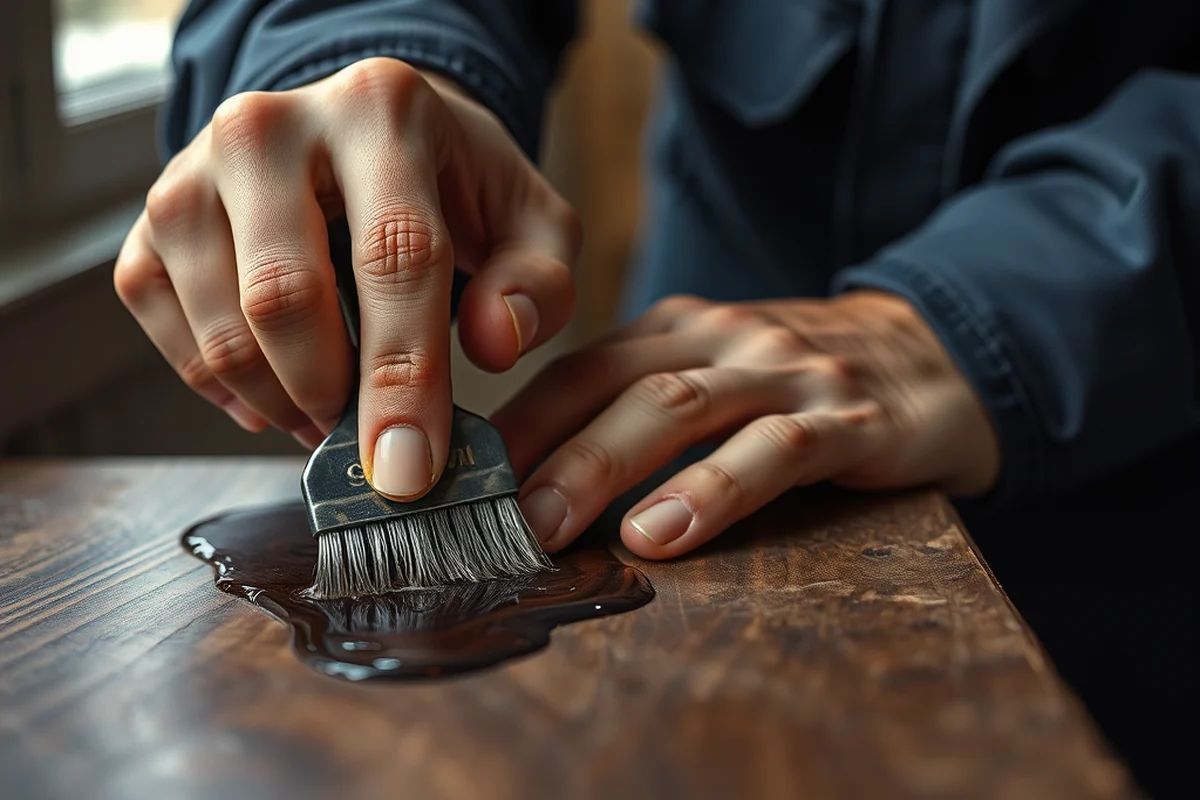
More than just technical information, 'reviews about yesteryear' often tell stories. One review described a small, hand-painted stool that had been used in a family’s kitchen for over 50 years — it was a gift from a grandfather, passed down through three generations. These stories add a level of emotional connection that modern, mass-produced furniture simply can’t match.[2]
I’ve found that these reviews help modern DIYers understand the emotional value of furniture. When you read about a piece that has been in a family for decades, it shifts your perspective. You begin to see furniture not just as a functional object, but as a vessel of memory and heritage.
Another review I read described how a handcrafted rocking chair had comforted a child during a difficult time in their life. It was more than just a chair — it was a symbol of love and care. These stories remind us that furniture is more than just wood and nails; it's part of our lives, and it carries meaning.
Furniture is not just a piece of wood — it's a part of our lives.
Related: What is anti aging products
The Practical Benefits of 'Reviews About Yesteryear'
One of the most practical benefits of 'reviews about yesteryear' is the way they help us avoid common mistakes. For example, I read a review that described how a dining table made in the 1960s had started to crack due to improper sealing. This made me realize the importance of using high-quality finishes and proper sealing techniques.
Another review mentioned how a chair made in the 1920s had a 'tapered leg that had been cut to fit a narrow space. Over time, it had caused instability.' This taught me the importance of proportion and balance in furniture design. These lessons, learned from the mistakes of others, have saved me time and materials in my own projects.
I’ve also learned that many older reviews emphasize the use of natural materials and traditional joinery methods. For example, a review of a 1930s bookshelf praised the 'use of dovetail joints that have held up without the need for screws.' These insights are incredibly valuable for anyone looking to build furniture that will last.
Look for reviews that mention how a piece of furniture failed over time — these can be goldmines of information for avoiding similar issues in your own builds.
“I still remember the first time I stepped into my grandmother's attic.”— DIY Furniture for Elderly editors
Related: What is old spice deodorant
How 'Reviews About Yesteryear' Can Inspire Creativity
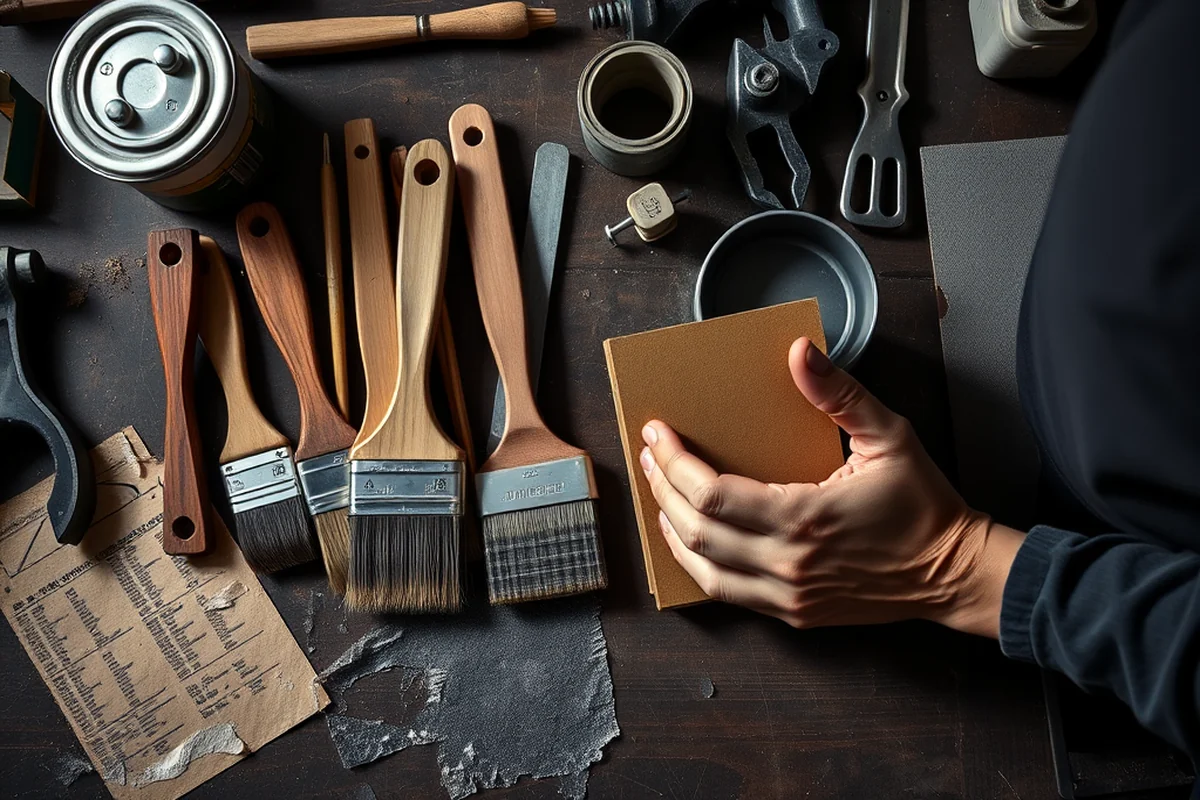
I’ve found that 'reviews about yesteryear' can be a great source of inspiration. One review described a unique chair design from the 1950s that used a combination of curved wood and metal inlays. This idea led me to experiment with similar designs in my own work, blending traditional and modern elements in ways I hadn’t considered before.
Another review described how a craftsman from the 1940s had used a natural, hand-rubbed oil finish that gave the wood a warm, golden hue. This led me to try similar finishes on my own projects, and the results have been impressive — the wood looks more natural and has a better feel to it.
These reviews often show how people adapted their techniques and materials based on what was available at the time. This creative problem-solving is something that modern DIYers can learn from and apply in their own projects, especially when working with limited resources or space.
Related: Best homemade anti aging cream with shea butter
The Role of Community in 'Reviews About Yesteryear'
Many of the 'reviews about yesteryear' come from online communities of vintage furniture enthusiasts. These groups are full of people who share stories, photos, and insights about old pieces of furniture. I’ve found these communities to be incredibly valuable — they offer not just reviews, but a sense of shared purpose and history.
One review I read was from a group of people who had come together to restore a 1920s dining set. They described how they had worked together to repair the damaged legs and restore the original finish. This kind of collaboration is something that modern DIYers can learn from — working with others can lead to better results and a greater appreciation for the craft.
I’ve also noticed that these communities often have a strong sense of respect for the past. They see themselves as caretakers of history, and that mindset is something that can be incredibly inspiring for modern DIYers. It's a reminder that furniture is more than just a project — it's part of a larger story.
Related: How to make anti aging cream at home
The Future of 'Reviews About Yesteryear'
With the rise of interest in sustainability and vintage furniture, I believe that 'reviews about yesteryear' will play an even greater role in the future. These reviews help us understand how to build and maintain furniture in a way that is both practical and environmentally responsible.
I’ve noticed that more people are looking for ways to repurpose old furniture and create new pieces from materials that have already been used. These 'reviews about yesteryear' are an excellent resource for finding out which techniques and materials are best suited for these kinds of projects.
As the DIY furniture community continues to grow, I believe that these reviews will become a valuable tool for both new and experienced builders. They offer a way to learn from the past, connect with history, and create furniture that is both beautiful and long-lasting.
The past is not just something to look back on — it's a guide for the future.
Related: Best homemade anti aging eye cream
The Personal Connection in 'Reviews About Yesteryear'
One of the most touching aspects of 'reviews about yesteryear' is the personal connection that people have with their furniture. I’ve read reviews that describe how a chair has been passed down through generations, or how a table has been the center of family meals for decades. These stories add a level of meaning that can’t be found in modern, mass-produced furniture.
Another review described how a hand-carved mirror had been a gift from a great-grandmother, and how it had been used in every major life event — from weddings to births. This kind of connection is something that modern DIYers can appreciate, and it reminds us that furniture is more than just a functional object — it’s part of our lives.
I’ve also found that these reviews help us understand how furniture can be a part of our personal history. Whether it’s a chair that has been used in a family business or a shelf that has held books for decades, these pieces carry stories that can be passed down through generations.
💰 Budget Build
A no-frills version using secondhand materials and basic tools for those on a tight budget.
⏰ Weekend Version
A fast-paced project that can be completed in a single day, ideal for those with limited time.
🎨 Upgraded Finish
A version with a premium finish and detailed craftsmanship for those looking to enhance the look and feel of their furniture.
🛋️ Small-Space Adaptation
A compact design that fits perfectly in small apartments or rooms, maximizing space without sacrificing style.
🏠 Rental-Safe Option
A build that avoids permanent changes to the property, making it ideal for those in rental homes.
| The mistake | Why it happens | The fix |
|---|---|---|
| Using the wrong type of wood for a project | Using softwoods in high-stress areas can lead to warping or breaking over time. | Research the best wood types for different applications — hardwoods like oak or maple are generally more durable. |
| Ignoring proper joinery techniques | Poorly made joints can cause furniture to be unstable or to fall apart after a few years. | Use traditional joinery methods like dovetail or mortise and tenon joints for greater strength and stability. |
| Not sealing the wood properly | Failure to apply a proper finish can lead to warping, cracking, or discoloration over time. | Always use a high-quality wood finish and follow the manufacturer’s instructions for best results. |
| Overlooking the historical context of the furniture | Not considering the historical context can lead to inaccurate or disrespectful replicas of vintage pieces. | Take the time to research the history of the piece you're replicating and ensure your project honors that legacy. |
Reviews About Yesteryear
Common Questions
How can I find 'reviews about yesteryear' for furniture?
Are the techniques from 'reviews about yesteryear' still relevant today?
Can 'reviews about yesteryear' help me improve my DIY skills?
What kind of information do 'reviews about yesteryear' typically include?
References
- Lisa Lewis | National Endowment for the Arts (arts.gov)
- observer - Bard College Student Newspaper Archive (bard.edu)
- Publication News | Bennington College (bennington.edu)
- BFCC Book Club - Welcome to the Town of Big Flats, NY (bigflatsny.gov)
- Yesteryears - Group Respite Program | Broome County (broomecountyny.gov)
Cite this guide
DIY Furniture for Elderly (2026). Reviews About Yesteryear. https://seniordrift.com/reviews-about-yesteryear/
Feel free to cite or share this guide.