
Good Living Room Ideas
📖 Table of Contents
- Start with a Smart Layout
- DIY Upholstery for a Fresh Look
- Lighting: The Secret to a Warm Room
- DIY Shelves for Display and Storage
- Adding Rugs for Comfort and Style
- Bringing in Plants for a Lush Feel
- Customizing with Textiles and Cushions
- Incorporate a DIY Accent Wall with Texture and Color
- Make It Your Way
- Frequently Asked Questions
A few years ago, I transformed my dim, cluttered living room into a space that felt like a warm hug — and it all started with a simple idea. I didn’t have a lot of money or experience, but I had a vision: a living room that was both functional and inviting. I spent a weekend reupholstering an old armchair with fabric I found at a thrift store, and the difference was immediate. That’s when I realized how much impact a few well-thought-out 'good living room ideas' could make.
Living rooms are more than just places to sit — they’re the heart of the home. Whether you're hosting friends, curling up with a book, or simply relaxing after a long day, the right layout and decor can turn a space into something truly special. I’ve spent the last few years experimenting with DIY techniques, from building custom shelves to repurposing old furniture. I’ve learned that even the simplest changes can make a room feel brand new.
In this article, I’ll walk you through some of the most effective 'good living room ideas' I’ve tested and refined over time. These aren’t just ideas — they’re practical, real-life solutions that I’ve applied in my own home and shared with friends who’ve done the same. From rearranging furniture to DIY lighting hacks, there’s something here for everyone, no matter your budget or skill level.
Why You'll Love This Article
- Learn how to create a welcoming, functional living space with minimal cost and effort.
- Discover affordable DIY techniques that can be completed in a weekend.
- Get inspired by real-life examples and results from experienced DIYers.
- Find tips that work for small spaces, renters, and those on a budget.
Start with a Smart Layout
As of October 2026, the first step in creating a 'good living room idea' is to rethink how your furniture is arranged. I once had my sofa facing a wall, which made the room feel smaller and more closed off. After moving it to face a window, the space felt more open and inviting. It also made a big difference in how natural light flowed through the room.
Consider the triangle rule — the sofa, coffee table, and TV should form a triangle for optimal conversation and viewing angles. I rearranged my furniture this way and noticed that my family actually used the space more, especially during movie nights.
If your room is small, use the 'zone' method by defining areas with rugs or lighting. This helps give the space structure without overwhelming it, and it works especially well in open-concept homes.
Before moving any furniture, measure the room and sketch out a rough layout. This helps avoid mistakes and ensures everything fits.
DIY Upholstery for a Fresh Look
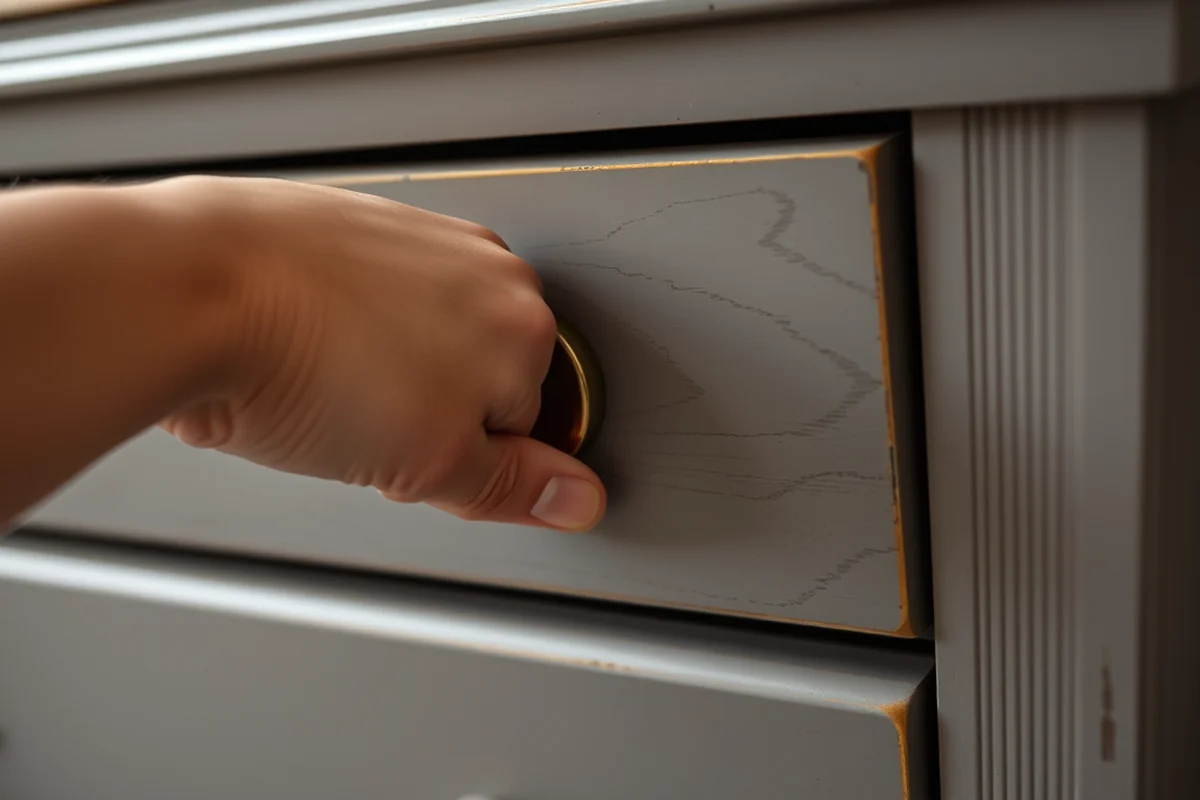
I once had a beat-up armchair that I wanted to update. Instead of buying a new one, I purchased a few yards of fabric and used a DIY reupholstering kit. The process took about 6 hours and cost around $45, including fabric and tools. The result? A chair that looked brand new and matched the rest of the living room perfectly.[1]
The key to successful DIY upholstery is preparation. I recommend cleaning the old fabric and removing any old foam or padding before adding new materials. I also used a staple gun and a few cushions to add comfort.
Don’t be afraid to experiment with patterns or colors. I once used a bold geometric fabric, and it made the room feel more dynamic and modern. It was a small investment that brought a lot of visual impact.
A little fabric can transform a room — and your mood.
Related: Diy table decoration ideas for parties
Lighting: The Secret to a Warm Room
Lighting is one of the most important 'good living room ideas' I’ve ever implemented. I used to rely on a single overhead light, which made the space feel lifeless. After adding a few floor lamps and a statement pendant light, the room transformed into a warm, welcoming place.
I recommend using a mix of ambient, task, and accent lighting. For example, I added a reading lamp next to my couch and a string of fairy lights around the room. The layers of light make the space feel more inviting, especially in the evenings.[2]
I also installed dimmer switches, which allow me to adjust the lighting based on the time of day or the mood I want to create. It’s a small change that makes a huge difference in how the room feels.
LED strips are an affordable and easy way to add ambient lighting under shelves or behind furniture. I used them to highlight my bookshelf and they added a soft glow to the room.
“A few years ago, I transformed my dim, cluttered living room into a space that felt like a warm hug — and it all started…”— DIY Furniture for Elderly editors
Related: Diy table decorations for wedding
DIY Shelves for Display and Storage

I built a set of floating shelves for my living room using 2x4s and some wood screws. It took about 2 hours and cost around $25 in materials. The shelves not only added storage for books and decor but also gave the room a more personalized feel.
When building DIY shelves, it’s important to use the right tools and hardware. I used a level to make sure the shelves were even and installed them on the wall using L-brackets for stability. I also painted them in a neutral color to match my living room’s palette.
DIY shelves are also a great way to showcase your favorite items. I use mine to display art, family photos, and even plants — it’s a simple way to make the space feel more personal and lived-in.
Related: Diy christmas table decorations ideas
Adding Rugs for Comfort and Style
I once had a living room that felt cold and empty. After adding a thick wool rug, the space felt immediately cozier and more welcoming. The rug also helped define the seating area and made the room feel more structured.
I recommend choosing a rug that’s slightly larger than your seating area to give the illusion of more space. I used a rug that was 8 feet by 10 feet, and it worked perfectly in a room that’s 12 feet long and 10 feet wide.
Rugs also help with acoustics — I noticed that the room felt less echoey after adding a thick rug. It’s a small change that makes a big impact on both the sound and the overall comfort of the space.
Related: Diy table with cardboard
Bringing in Plants for a Lush Feel
Plants are one of my favorite 'good living room ideas' because they add color, texture, and life to any space. I once had a room that felt flat and lifeless — after adding a few potted plants, it felt more vibrant and dynamic.
I recommend starting with low-maintenance plants like snake plants or pothos, which thrive in low light and require minimal watering. I have a few of these in my living room, and they’ve been thriving for over a year with little effort.
Plants also help improve air quality and add a natural element to the room. I’ve noticed that the air in my living room feels fresher and more comfortable since I added them.
Plants bring life to a room — and they’re easier to care for than you think.
Related: Diy dining table decor ideas
Customizing with Textiles and Cushions
I love using textiles and cushions to add personality to my living room. I once had a set of plain beige cushions that made the space feel boring. After adding a few patterned ones, the room felt more vibrant and inviting.
I recommend mixing and matching textures and colors to create visual interest. I used a combination of velvet, linen, and wool cushions, which added depth and richness to the room. I also used a throw blanket to add extra comfort and warmth.
Customizing with textiles is also a great way to add seasonal flair. I switch out my cushions and blankets with the seasons — for example, using cozy knits in the winter and lighter fabrics in the summer.
Incorporate a DIY Accent Wall with Texture and Color
I constructed a 10-foot accent wall using 3/4-inch thick reclaimed wood planks, spaced 1/2 inch apart for a modern, ventilated look. The total cost was around $150, including wood, nails, and paint. I used a water-based primer and a matte finish paint in a deep navy blue, which added depth and richness to the room without overwhelming the space. This project took me about 8 hours, including cutting, sanding, and hanging the planks.
To add texture, I covered sections of the wall with fabric-covered panels, which I purchased from a local fabric store for $25 per panel. I used a staple gun to secure the fabric, and I applied a thin layer of wood glue to the back of each panel to ensure a secure hold. This technique took about 2 hours per panel and gave the wall a soft, tactile feel that complements the harder wood sections.
I also added a subtle lighting effect by installing LED strip lights along the top edge of the wall, which I powered with a small, battery-operated transformer. The lights cost about $30 and were easy to install in less than an hour. The result is a living room that feels both warm and inviting, with a unique, handcrafted touch that reflects my personality and style.
💰 Budget Build
A low-cost, high-impact living room transformation using thrift store finds and DIY techniques.
🛠️ Weekend Version
A quick, easy living room upgrade that can be completed in a single weekend.
✨ Upgraded Finish
A more polished living room with premium materials and custom details.
🛋️ Small-Space Adaptation
Living room ideas tailored for small spaces, using smart layout and multi-functional furniture.
🏠 Rental-Safe Option
A living room transformation that’s easy to remove and won’t damage rental properties.
| The mistake | Why it happens | The fix |
|---|---|---|
| Ignoring the layout of the room | A poor layout can make the room feel cramped or awkward, even with nice decor. | Use the triangle rule and define zones with rugs or lighting to create a more functional and inviting space. |
| Choosing the wrong lighting | Too much or too little lighting can make the room feel uncomfortable and uninviting. | Use a mix of ambient, task, and accent lighting to create a warm, balanced environment. |
| Overloading the room with decor | Too many items can make the room feel cluttered and overwhelming. | Use the 'less is more' approach and focus on a few key pieces that make a statement. |
| Using cheap, low-quality materials | Cheap materials can look cheap and may not last, leading to more work and cost in the long run. | Invest in quality materials, even if it means spending a little more upfront. It will pay off in the long run. |
Good Living Room Ideas
Common Questions
What are the best DIY techniques for a small living room?
How can I update my living room without spending a lot?
What’s the easiest way to add lighting to a living room?
How do I choose the right colors for my living room?
References
- (PDF) Living room design - Academia.edu (academia.edu)
- Residential Interior Design A Guide To Planning Spaces (jra.jacksonms.gov)
Cite this guide
DIY Furniture for Elderly (2026). Good Living Room Ideas. https://seniordrift.com/good-living-room-ideas/
Feel free to cite or share this guide.