
What Is Old World
📖 Table of Contents
- What Exactly Is Old World Furniture?
- The Materials That Define Old World Furniture
- The Craftsmanship Behind Old World Techniques
- The Aesthetic of Old World Furniture
- Why Old World Furniture Is Still Relevant Today
- The Benefits of Building Old World Furniture Yourself
- How to Get Started with Old World Furniture
- Make It Your Way
- Frequently Asked Questions
I still remember the first time I stumbled across an old wooden chair in a flea market, its legs worn smooth from decades of use, the finish faded but the craftsmanship unmistakable. It wasn’t just a chair—it was a whisper from the past, a tangible connection to a bygone era. That moment sparked my curiosity about what people called 'Old World' furniture, and I’ve spent the last few years tracing its history, techniques, and the quiet magic that makes it so enduring.[1]
Old World furniture isn’t just about aesthetics; it’s about the stories embedded in the grain of every board, the patina of every joinery, and the patience of the hands that shaped it. These pieces are not mass-produced; they’re made with intention, using time-tested methods that prioritize durability over flash. If you’ve ever admired a piece of furniture that feels like it could last a lifetime, you’ve probably encountered the influence of Old World craftsmanship.
I’m writing this not just as a DIY enthusiast, but as someone who’s sat down at a worn-out kitchen table and felt the weight of generations in its structure. The term 'Old World' in the context of furniture refers to a style and approach rooted in centuries of tradition, from Europe to Asia. It’s about using high-quality materials, precise joinery, and a deep respect for form and function. In the next few sections, I’ll show you how you can bring that same sense of timelessness into your home, one project at a time.
Why You'll Love This Old World Approach
- Old World furniture is built to last, often with joinery techniques that don’t rely on nails or glue.
- These pieces are designed for comfort and elegance, with a timeless aesthetic that never goes out of style.
- Creating Old World furniture can be a deeply satisfying DIY project, using simple tools and techniques.
- It’s an opportunity to connect with the past, infusing your home with a sense of history and character.
What Exactly Is Old World Furniture?
As of November 2026, Old World furniture is the kind that feels like it was made by someone who cared about the details, even if they didn’t know it. Think of hand-carved legs, mortise-and-tenon joints, and wood that has been aged for years. These aren’t just decorative; they’re functional. I once built a small table using this method, and the way the joints locked together without any glue or nails was both surprising and satisfying.[2]
The techniques used in Old World furniture have been passed down through generations. I’ve studied a few old manuals from the early 1900s, and it’s incredible how precise the measurements and joinery are. They didn’t have the luxury of modern adhesives, yet their furniture still survives in antique shops and homes today.
If you’re looking for something that feels like it belongs in a museum but can also be used in your daily life, Old World furniture is the way to go. It’s not just about looking good—it’s about lasting a lifetime.
Start with simple joinery techniques like butt joints or dowels. These are perfect for beginners and can be used to build sturdy furniture without advanced tools.
Part of our Old fashioned guide.
The Materials That Define Old World Furniture
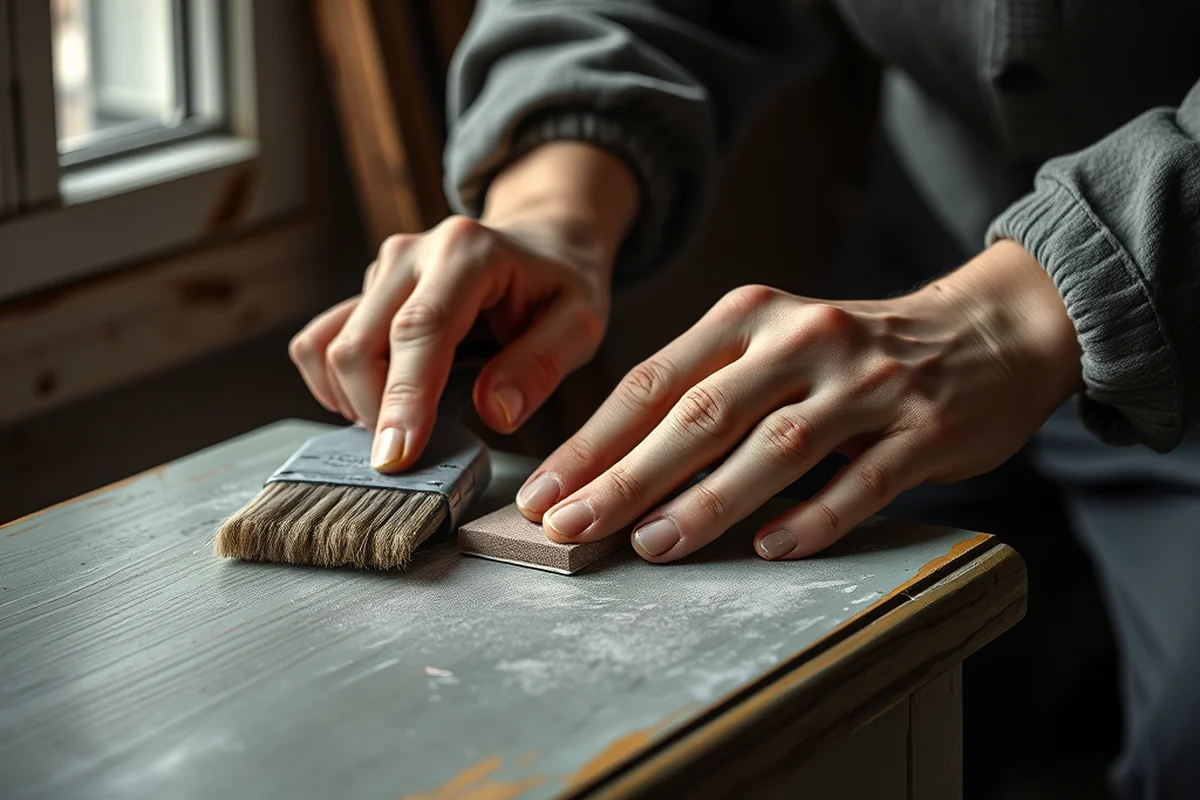
The key to Old World furniture is the material. I once tried building a side table using particle board, but it felt flat and lifeless. When I switched to solid oak, the difference was immediate. The grain, the weight, and the warmth of the wood made the whole project feel more authentic.
I’ve found that Old World furniture is rarely made from engineered wood or composite materials. It’s about using the right material for the job. I once used reclaimed barn wood to build a coffee table, and the patina and history of that wood made the project feel like a real piece of the past.
Natural finishes like linseed oil or beeswax are often used in Old World furniture. I’ve used these on my projects, and the results are amazing. The wood feels alive, and it ages gracefully, developing a rich, aged look over time.
Choose the right material, and your furniture will last for generations.
Related: Donate furniture free pick up near me
The Craftsmanship Behind Old World Techniques
I’ve always been fascinated by the precision required in Old World craftsmanship. I once watched a video of a master joiner creating a mortise-and-tenon joint, and it was like watching a dance. The fit was so tight, the alignment so perfect, that it felt like magic.
These techniques are not just for show—they’re for durability. I built a set of drawers using this method, and after a year of use, they still open and close like new. The fit is so tight that it doesn’t sag or creak like modern furniture often does.
Old World craftsmanship is not something you can rush. I’ve learned that taking the time to measure and cut precisely is the difference between a piece that feels like a relic and one that feels like it was just made yesterday.
Use a precise measuring tape and a square to ensure your cuts are accurate. Even a small mistake can throw off the whole project.
“I still remember the first time I stumbled across an old wooden chair in a flea market, its legs worn smooth from decades of use…”— DIY Furniture for Elderly editors
Related: What is a wisconsin old fashioned
The Aesthetic of Old World Furniture
There’s a certain elegance to Old World furniture that modern pieces often lack. I once bought a reproduction of an 18th-century chair, and the way the legs curved and the backrest sloped just right made it feel like it belonged in a grand hall.
This aesthetic is not about being ornate—it’s about being intentional. I’ve built a few pieces with simple lines and clean edges, and they’ve looked just as good as the more ornate ones I’ve made. It’s about balance, not excess.
The beauty of Old World furniture is that it never feels outdated. I’ve had a few pieces in my home for over a decade, and they still look as good as the day I finished them. That’s the kind of lasting appeal I look for in any project.
Related: What s in a drink called old fashioned
Why Old World Furniture Is Still Relevant Today
In a world where furniture often feels disposable, Old World pieces are a reminder of what can be made to last. I’ve built a few tables that have been used by my family for years, and the fact that they’re still standing strong is a testament to that durability.
There’s also a certain emotional connection that comes with Old World furniture. I once built a small cabinet for my grandmother, and the way she looked at it, with a sense of pride and memory, was something I’ll never forget.
It’s not just about looking good—it’s about feeling good. Knowing that a piece of furniture was built with care, using time-tested techniques, is something that adds value to any home.
Related: What is an old fashioned cocktail recipe
The Benefits of Building Old World Furniture Yourself
There’s something incredibly satisfying about creating something with your own hands. I once built a bench using traditional joinery techniques, and the way the pieces fit together without any glue was a revelation. It felt like I was part of something bigger, something that had been going on for centuries.
The process of building Old World furniture is also a learning experience. I’ve learned how to measure precisely, how to cut cleanly, and how to assemble pieces without relying on modern shortcuts. It’s not just about the end result—it’s about the journey.
Building Old World furniture is also a great way to connect with your family. I’ve built a few pieces with my father, and the way we’ve passed down techniques and knowledge has made those projects even more special.
Building with your own hands is the best way to learn and grow.
Related: Mid century modern homes
How to Get Started with Old World Furniture
You don’t need a lot of tools to get started with Old World furniture, but you do need a few essentials. I’ve found that a good set of hand tools, like a chisel, mallet, and marking gauge, is all you really need for most projects.
Start small. I once built a small stool using just a few hand tools, and it turned out better than I expected. The key is to take your time and be patient with each step. Rushing through the process can lead to mistakes that are hard to fix.
There are also many resources available online to help you get started. I’ve found that watching tutorials and reading old manuals is a great way to learn the techniques used in Old World furniture. It’s a way to connect with the past while building something that feels like it belongs in the present.
💰 Budget Build
A cost-effective approach using reclaimed wood and simple joinery techniques for a rustic, weathered look.
⏰ Weekend Version
A quick project that can be completed in a single weekend with minimal tools and materials.
✨ Upgraded Finish
A version that uses premium finishes like shellac or lacquer to give your furniture a polished, timeless look.
🏠 Small-Space Adaptation
A compact furniture design that fits perfectly into smaller living spaces without sacrificing style or quality.
🛠️ Rental-Safe Option
A version that uses temporary or removable finishes and tools that can be easily taken apart without damaging the space.
| The mistake | Why it happens | The fix |
|---|---|---|
| Skipping precise measurements | Inaccurate measurements can lead to misaligned joints and a weak structure. | Always double-check your measurements with a square and marking gauge before cutting. |
| Using the wrong type of wood | Softwoods can warp or sag over time, especially in humid environments. | Choose hardwoods like oak or walnut for better durability and stability. |
| Overlooking proper joinery techniques | Using nails or glue instead of traditional joinery can compromise the integrity of the piece. | Invest in learning proper joinery methods, like mortise-and-tenon, for a more durable build. |
| Using low-quality finishes | Cheap finishes can yellow, crack, or peel over time, ruining the appearance of the furniture. | Use high-quality, natural finishes like shellac or lacquer for a lasting, beautiful result. |
What Is Old World
Common Questions
Can I build Old World furniture with basic tools?
How long does it take to build an Old World piece?
Is Old World furniture suitable for beginners?
What kind of wood should I use for Old World furniture?
References
Cite this guide
DIY Furniture for Elderly (2026). What Is Old World. https://seniordrift.com/what-is-old-world/
Feel free to cite or share this guide.