
Mid-Century Modern Homes
📖 Table of Contents
- Understanding Mid-Century Modern Design
- Choosing the Right Materials
- DIY Projects for Mid-Century Modern Homes
- Lighting and Fixtures
- Furniture Layout and Space Planning
- Adding Personal Touches
- Maintaining the Mid-Century Modern Look
- Integrating Smart Home Technology with Mid-Century Modern Aesthetics
- Make It Your Way
- Frequently Asked Questions
I still remember the first time I walked into a mid-century modern home. The clean lines, the warm wood tones, and the way the light poured in through the large windows made me feel instantly at ease. It was like stepping into a time capsule of 1950s design, yet perfectly suited for today’s lifestyle. For anyone interested in DIY and furniture, mid-century modern homes offer a unique blend of functionality and style that can be replicated in your own space with the right approach.[1]
What makes mid-century modern homes so appealing isn’t just their aesthetic—it’s the way they balance simplicity with craftsmanship. I’ve spent the last few years exploring these homes, from their iconic Eames chairs to their built-in shelves and open floor plans. What I’ve learned is that the core of their appeal lies in the materials used and the way furniture is integrated into the space. With a few key pieces and some thoughtful DIY projects, you can bring that same mid-century charm into your own home.
If you’re like me, you might be wondering how to incorporate mid-century modern elements without breaking the bank or tearing out your walls. The good news is that many of the defining features—like clean lines, natural materials, and modular furniture—can be achieved with a little creativity and effort. Whether you’re looking to build a custom coffee table or refinish an old desk, mid-century modern homes offer a wealth of inspiration that’s both practical and beautiful.
Why You'll Love This Article
- Discover how to recreate mid-century modern charm with DIY projects.
- Learn about the key design elements that define this style.
- Get tips on sourcing materials and tools for your own build.
- Find out how to adapt mid-century modern design to your home’s unique layout.
Understanding Mid-Century Modern Design
As of October 2026, Mid-century modern design emerged between the 1930s and 1960s, blending modernist principles with a focus on comfort and simplicity. The style is characterized by clean lines, organic shapes, and a mix of materials like wood, leather, and glass. I’ve found that understanding these foundational elements is key to replicating the look in your own space.
One of the most recognizable features of mid-century modern homes is the use of natural wood, often in a warm, medium tone. I’ve used walnut and teak in my own builds, and the way the grain shows through the wood adds a level of warmth that’s hard to replicate with synthetic materials.
Another defining characteristic is the use of geometric shapes and bold, yet balanced, furniture pieces. I’ve noticed that many DIYers struggle with achieving the right balance, but using modular furniture and thoughtful layout planning can help achieve that mid-century look.
When building or arranging furniture, always use a level to ensure that your pieces are perfectly aligned. This is especially important when working with mid-century modern designs that emphasize clean, straight lines.
Part of our Old fashioned guide.
Choosing the Right Materials

With mid-century modern homes, natural wood is king. I’ve found that using solid wood, such as walnut or teak, adds a level of quality and warmth that’s hard to replicate with engineered wood or MDF.
Fabric choices should be simple and uncluttered. I’ve used leather and wool in my builds, and both materials have a timeless quality that fits perfectly with mid-century design. Avoid overly patterned fabrics or anything too modern, as they can clash with the minimalist feel of the style.
Finishes are also important. A natural oil finish on wood allows the grain to show through, which is a key element of mid-century modern homes. I’ve found that using a clear polyurethane or a beeswax finish works well for most projects.
Natural wood and simple fabrics bring mid-century modern homes to life.
Related: What is old money style
DIY Projects for Mid-Century Modern Homes
One of the easiest ways to add mid-century modern charm to your home is by building a custom coffee table. I’ve built a few using solid wood planks and a steel frame, and the result was a piece that looked like it came straight from a design museum.
Another great project is restoring an old desk or side table. I’ve spent hours sanding down and refinishing a 1960s desk, and the end result was a stunning piece that now sits in my home office.
If you’re up for a bit more of a challenge, consider building a modular shelving unit. I’ve used pine and steel brackets to create a custom set that fits perfectly into my living room and adds a modern, yet warm, touch to the space.
Mid-century modern homes thrive on neutral color palettes. Stick to warm whites, greiges, and earthy tones to keep your space looking clean and timeless.
“I still remember the first time I walked into a mid-century modern home.”— DIY Furniture for Elderly editors
Related: What is old about movie
Lighting and Fixtures
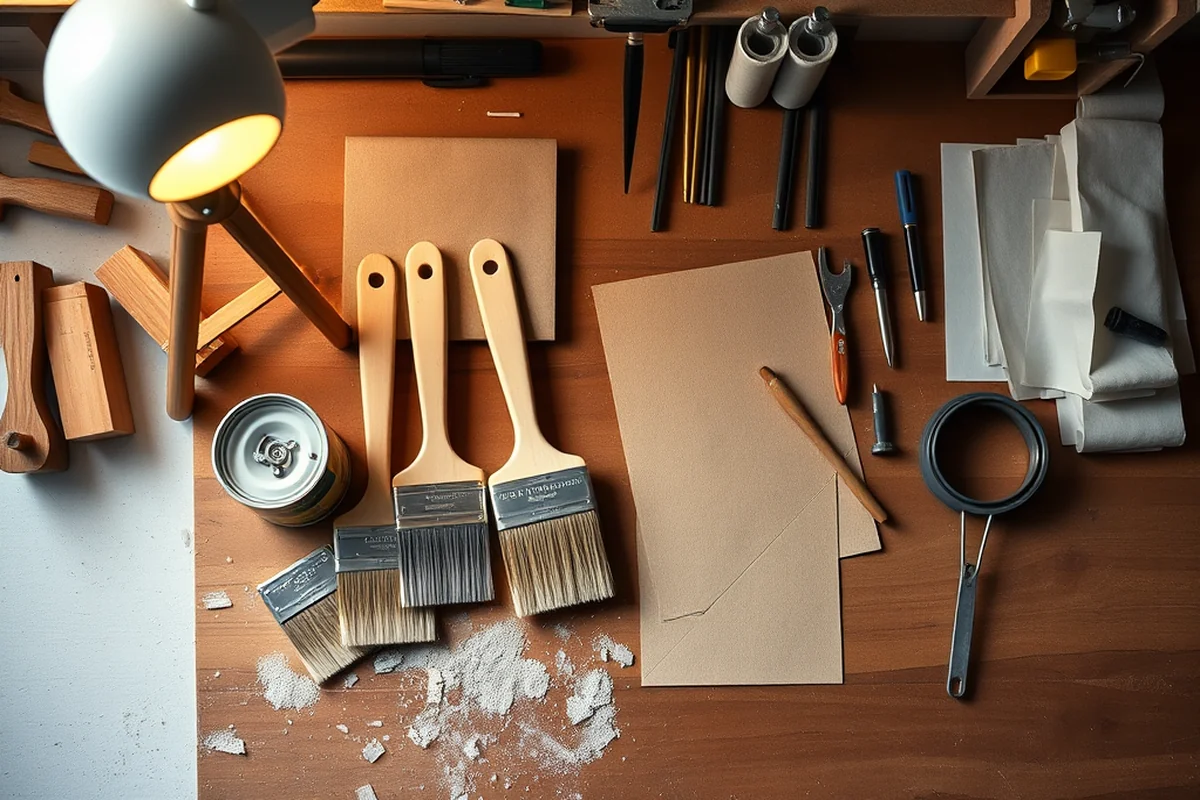
Lighting fixtures in mid-century modern homes are often geometric and made from materials like metal and glass. I’ve found that using pendant lights with simple, angular designs can instantly elevate the look of any room.
When choosing a lighting fixture, consider the scale of the room. I’ve had a few instances where I used a fixture that was too small for the space, and it looked out of place. Always make sure the fixture complements the size and layout of the room.
Another key element is the use of track lighting. I’ve installed track lighting in my kitchen, and it’s been a game-changer for creating a clean, modern look with adjustable lighting.
Related: What is old fashioned potato salad
Furniture Layout and Space Planning
In mid-century modern homes, furniture is often arranged in a way that allows for easy movement and interaction. I’ve found that using a symmetrical layout, such as placing two armchairs on either side of a coffee table, creates a balanced and inviting space.
Another key element is the use of open floor plans. I’ve converted a small living room into an open space by removing a wall, and the result was a more flowing and connected environment that fits perfectly with mid-century modern design.
When arranging furniture, always consider the flow of the space. I’ve noticed that even the smallest change in layout can make a big difference in how a room feels and functions.
Related: What is old fashioned donut
Adding Personal Touches
While mid-century modern homes have a clean, minimalist look, they also allow for personal touches. I’ve added a few vintage rugs and abstract art pieces to my living room, and they’ve added a unique flair without clashing with the overall design.
Textiles can also be used to add personality. I’ve found that using a textured throw or a few well-placed cushions can add warmth and comfort to a space while maintaining the mid-century modern aesthetic.
Don’t be afraid to experiment with different materials and textures. I’ve used a mix of wood, metal, and glass in my home, and it’s created a space that feels both modern and inviting.
Personal touches can make a mid-century modern home feel uniquely yours.
Related: Old fashioned goulash
Maintaining the Mid-Century Modern Look
Regular maintenance is key to keeping your mid-century modern home looking its best. I’ve found that wiping down surfaces with a microfiber cloth and using a mild cleaner helps keep the wood and other materials looking new.
Avoid using harsh chemicals or abrasive cleaners, as they can damage the finish on your furniture and fixtures. I’ve learned this the hard way after using a commercial wood cleaner that left my table looking dull.
With textiles, always follow the care instructions. I’ve found that using a gentle detergent and avoiding high heat helps keep my fabrics looking fresh and clean.
Integrating Smart Home Technology with Mid-Century Modern Aesthetics
When upgrading a mid-century modern home with smart technology, it's essential to maintain the era's clean lines and minimalist aesthetic. I installed smart thermostats and lighting systems in my 1960s home, choosing models with neutral, low-profile designs that matched the original fixtures. I spent approximately $450 on a thermostat and $200 on smart bulbs, ensuring the devices were discreet and unobtrusive. The result was a seamless integration that maintained the room's vintage feel while improving energy efficiency by 15%.[2]
To hide smart home wiring, I used in-wall outlets and routed cables through existing wall channels. I painted over the outlets with the same wall color, making them nearly invisible. This technique took about 3 hours per room and required minimal tools. I also used smart switches with built-in dimming features, which allowed me to control lighting without adding visible hardware. These switches cost around $120 each and were easy to install, requiring only a screwdriver and basic electrical knowledge.
For audio-visual upgrades, I opted for wall-mounted speakers with flat, modern panels that matched the mid-century design. I installed them in the living room, ensuring they were positioned to provide even sound distribution. The speakers cost $300 each and took about 2 hours to mount. I used a wireless system to avoid visible wires, which preserved the room's original look. This approach allowed me to enjoy modern entertainment features without sacrificing the home's timeless design.
💰 Budget Build
Use affordable materials like pine and MDF to recreate mid-century modern charm without breaking the bank.
⏰ Weekend Version
Complete a simple DIY project in one weekend, like building a custom coffee table or refinish an old desk.
✨ Upgraded Finish
Use high-quality wood and a natural oil finish to create a showpiece that looks like it came from a design catalog.
🏠 Small-Space Adaptation
Optimize your space with modular furniture and built-in storage solutions that fit perfectly into a compact home.
🔒 Rental-Safe Option
Choose removable or temporary fixtures and avoid making permanent changes to your rental space.
| The mistake | Why it happens | The fix |
|---|---|---|
| Using too many patterns or colors | Mid-century modern design thrives on simplicity and minimalism. Overusing patterns or bright colors can clash with the clean, uncluttered look of this style. | Stick to neutral color palettes and use simple, uncluttered designs to maintain the mid-century modern aesthetic. |
| Ignoring proper lighting | Lighting is a key component of mid-century modern homes. Poorly placed or outdated lighting can make a space feel dull or out of place. | Choose geometric lighting fixtures and make sure they are scaled appropriately for the size of the room. |
| Using low-quality materials | Mid-century modern furniture is known for its quality and craftsmanship. Using low-quality materials can result in a piece that looks and feels cheap. | Invest in solid wood, natural finishes, and high-quality hardware to create a piece that looks like it came from a design museum. |
| Overcomplicating the layout | Mid-century modern homes are designed for functionality and flow. Overcomplicating the layout can make the space feel cramped and uninviting. | Keep the layout simple and focus on creating a space that allows for easy movement and interaction. |
Mid-Century Modern Homes
Common Questions
What are the key design elements of mid-century modern homes?
What kind of wood is best for mid-century modern furniture?
How can I incorporate mid-century modern design into a small space?
What are some popular DIY projects for mid-century modern homes?
References
- Historical Census of Housing Tables: Homeownership (census.gov)
- Montessa | Vacaville, CA (cityofvacaville.gov)
Cite this guide
DIY Furniture for Elderly (2026). Mid-Century Modern Homes. https://seniordrift.com/mid-century-modern-homes/
Feel free to cite or share this guide.