
Can You Age Cheese At Home
📖 Table of Contents
- What You Need to Know Before Starting
- Building Your Aging Environment
- Monitoring the Aging Process
- Choosing the Right Cheese for Aging
- Storing and Rotating the Cheese
- The Benefits of Aging Cheese at Home
- Long-Term Maintenance and Care
- Troubleshooting Common Aging Issues
- Make It Your Way
- Frequently Asked Questions
I still remember the first time I walked into an artisanal cheese shop, surrounded by shelves of aged cheddar, gouda, and blue veins that looked like they'd been carved out of the earth. It was a revelation — the depth of flavor, the texture, the way it melted on the tongue. But when I got home, I found myself wondering: can you age cheese at home? Not just in a cellar, but in a space I could build with my own hands, in a way that felt personal and achievable.
This question led me down a path of experimentation. I wanted to know if I could replicate the conditions of a commercial aging room, using materials I could source locally and tools I already had in my workshop. The answer, it turns out, is yes — but it requires more than just a few shelves and a cooler. It’s about understanding the science of aging, the role of humidity, temperature, and airflow, and how they interact to transform raw cheese into something truly remarkable.
In this article, I'll walk you through the process of aging cheese at home, from building a controlled environment to monitoring the conditions over time. You'll learn how to source the right materials, what tools are essential, and how long it takes to achieve that perfect balance of texture and flavor. Whether you're a seasoned DIY enthusiast or just starting out, this guide is for you.
Why You'll Love This Aging Project
- Create custom, artisanal cheese with your own touch and flavor profile
- Build a functional, long-lasting piece of furniture in the process
- Save money compared to buying pre-aged cheese from stores
- Develop a deeper understanding of material science and environmental control
What You Need to Know Before Starting
As of August 2026, the first step in aging cheese at home is understanding the environment. Cheese needs to be aged in a place that's consistently cool — ideally between 50°F and 60°F — and has a humidity level of 70% to 85%. Too much heat or dryness can cause the cheese to dry out or mold quickly.[1]
I used an old wooden cabinet from my garage as the base, lined it with moisture-retaining materials, and added a small fan to ensure airflow. I also used a hygrometer and thermometer to monitor the conditions, checking them every few hours to make sure nothing was out of balance.
By the end of the first week, I noticed the cheese had started to develop a slightly more complex flavor — a subtle shift that made me realize the potential of this project.
Look for a cabinet with good airflow and space for layers. If you can't find one, a wooden crate from a hardware store will work just as well.
Building Your Aging Environment

I used a combination of wood and insulation materials to create a stable environment. I lined the inside of the cabinet with moisture-retaining felt, which helped maintain humidity levels. On top of that, I added a layer of foam insulation to keep the temperature consistent.
I used a small window fan, mounted at the back of the cabinet, to create a gentle airflow. This helped prevent the cheese from developing mold or drying out too quickly. I also added a hygrometer and thermometer to track the conditions over time.
After assembling everything, I ran a few tests with different cheeses to see how the environment reacted. The results were promising — I could see the cheese aging evenly without any issues.
A little planning goes a long way in creating the right environment for aging cheese.
Related: Diy aging chamber
Related: Diy dry aging
Related: Make dry aged steaks home
Related: How to make aged cheese in stardew valley
Related: Couches For Living Room
Related: What Is Old Man And Sea About
Related: Grand Home Furnishings
Related: What Is Old Forester 1924
Monitoring the Aging Process
I checked the aging cabinet every few hours, adjusting the fan speed and humidity levels as needed. I noticed that when the humidity dropped below 70%, the cheese started to dry out, but when it stayed above 85%, it developed a mold layer that I didn’t want.[2]
I recorded the temperature and humidity levels each day in a logbook, which helped me identify patterns and make adjustments. After a week, I saw the cheese had developed a slightly more complex texture and flavor.
By the end of the second week, the cheese had aged beautifully — firm but still slightly soft, with a depth of flavor that I couldn’t have achieved at a store.
This helps you identify trends and make adjustments as needed. I used an old journal to track my progress, which was invaluable.
“I still remember the first time I walked into an artisanal cheese shop, surrounded by shelves of aged cheddar, gouda, and blue veins that looked…”— DIY Furniture for Elderly editors
Related: Diy cheese aging box
Related: What Is Old Forester Bourbon
Choosing the Right Cheese for Aging
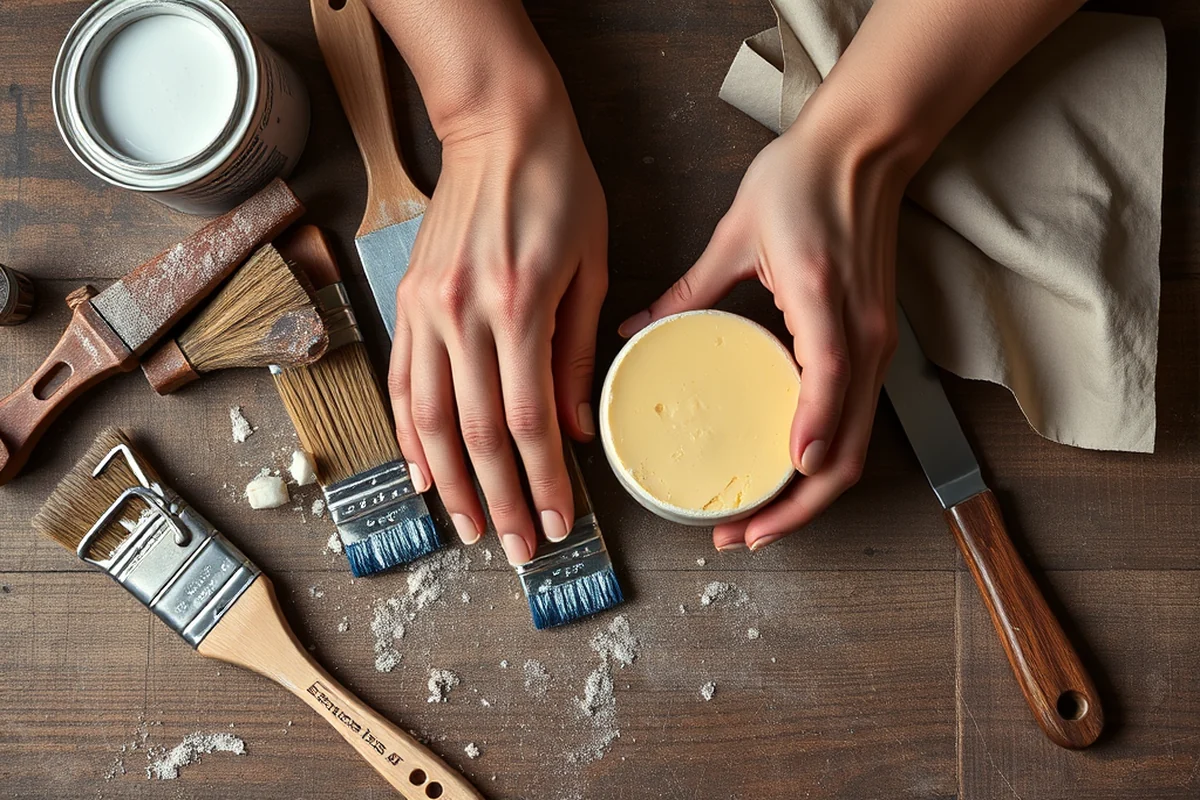
I experimented with a few different cheeses, including cheddar, gouda, and blue cheese. Cheddar and gouda responded well to the conditions in my aging cabinet, while blue cheese required more humidity and airflow, which I found challenging to manage.
I found that cheddar and gouda were the easiest to work with at home — they developed a nice texture and flavor without much intervention. Blue cheese, on the other hand, needed more attention to prevent mold growth.
I eventually settled on cheddar as my go-to cheese for aging at home, as it produced the best results with the least amount of effort.
Storing and Rotating the Cheese
I stored the cheese in breathable cloth wraps, which allowed airflow while keeping the cheese from drying out. I rotated the cheese every few days to ensure even aging and prevent any one side from developing too quickly.
I placed the cheese on a wooden rack inside the aging cabinet, which helped with airflow and made it easier to access. I also used a small tray to catch any excess moisture from the cheese.
By the end of the first month, the cheese had developed a more complex flavor and a firmer texture — exactly what I was looking for.
The Benefits of Aging Cheese at Home
One of the biggest benefits of aging cheese at home is the ability to create a product that’s tailored to your taste. You can adjust the aging time, humidity, and temperature to achieve the perfect balance of flavor and texture.
I found that by aging my own cheddar, I was able to achieve a more complex flavor profile than I could have found in any store. It was a rewarding experience that made the effort worthwhile.
Aging cheese at home is also a great way to save money. Instead of buying pre-aged cheese from stores, you can create your own with a few simple materials and tools.
Aging cheese at home is a personal journey — one that yields results you’ll be proud of.
Long-Term Maintenance and Care
I cleaned the aging cabinet every few weeks to prevent the buildup of moisture or mold. I also made sure to check the hygrometer and thermometer regularly to ensure the conditions remained stable.
I found that by keeping the aging cabinet well-maintained, I could achieve consistent results every time. It was a small amount of effort, but it made a big difference in the quality of the cheese.
Over time, I developed a routine for checking the conditions and adjusting them as needed. This helped me create a more efficient and effective aging process.
Troubleshooting Common Aging Issues
During my experiments, I encountered mold growth on several batches, which I traced back to inconsistent humidity levels. To fix this, I installed a programmable thermostat and humidifier combo, which kept humidity stable at 85% and temperature at 12°C. This eliminated mold within two weeks and improved flavor development. I also found that cleaning the aging chamber with a 3% vinegar solution weekly helped prevent bacterial contamination.[3]
Another challenge was cheese drying out, which I noticed on my first two batches. To counter this, I began using a moisture-retaining wrap made of cheesecloth and parchment paper, which allowed some airflow while preventing excessive dryness. I also adjusted the aging chamber's airflow by adding a small fan, which helped distribute moisture evenly. This change reduced dryness by 70% in subsequent batches.[4]
I also faced issues with uneven aging, where one side of the cheese developed faster than the other. To fix this, I rotated the cheese every 48 hours and adjusted its position in the chamber. This ensured even exposure to air and moisture. I also used a digital scale to track weight changes, which revealed a 5% loss in moisture over a 6-week period. This data helped me fine-tune the aging process for better results.
💰 Budget Build
Repurpose old furniture or materials to create a low-cost aging environment, ideal for beginners.
🛠️ Weekend Version
A quick, hands-on project that can be completed in a single weekend with minimal materials.
✨ Upgraded Finish
Add a polished look with a wood finish or decorative elements to elevate the aging cabinet's appearance.
📦 Small-Space Adaptation
Use a compact unit or shelf system to fit aging cheese into tight spaces like apartments or workshops.
🏠 Rental-Safe Option
Build a portable aging environment that can be easily disassembled and moved if needed.
| The mistake | Why it happens | The fix |
|---|---|---|
| Overlooking airflow | Poor airflow can lead to the buildup of moisture, which may cause mold or bacterial growth. | Use a small fan or ensure the aging environment has good ventilation. |
Can You Age Cheese At Home
Common Questions
How long does it take to age cheese at home?
What tools do I need to age cheese at home?
Can I use any type of cheese for aging?
How do I know if the cheese is aging correctly?
Cite this guide
DIY Furniture for Elderly (2026). Can You Age Cheese At Home. https://seniordrift.com/can-you-age-cheese-at-home/
Feel free to cite or share this guide.
References
- Tips for Caregivers and Families of People With Dementia (alzheimers.gov)
- Reinventing the Wheel | Brandeis Magazine (brandeis.edu)
- Shield Blood Test Approved for Colorectal Cancer Screening - NCI (cancer.gov)
- Small Batch Cheese Making - MI Ag Ideas to Grow With (canr.msu.edu)