
Old House Dreams
📖 Table of Contents
I still remember the first time I stepped into the creaky hallway of a 100-year-old home, the scent of aged wood and dust lingering in the air. It was during a weekend project to restore an old house, and though the task felt daunting, the promise of transforming forgotten spaces into something warm and functional was irresistible. This is the essence of 'old house dreams' — not just about renovation, but about breathing new life into places steeped in history.[1]
Restoring old houses isn’t for the faint of heart, but it’s also not a task that requires a master’s degree in architecture. I’ve spent countless weekends in the garage, sanding down worn-out wood, picking up chipped paint, and piecing together stories from the past. The satisfaction of watching a neglected room morph into a cozy, usable space is unmatched — and that’s exactly what this article is about. Whether you're a beginner or an experienced DIYer, 'old house dreams' can be made real with the right approach.
There's something magical about old houses. They have character, soul, and stories waiting to be told. I’ve learned that the process of renovating them is as much about preserving their history as it is about making them liveable. This article will take you through the journey of turning your old house dreams into reality, with concrete steps, tools, and techniques that I've tested myself. You'll walk away with more than just a renovated room — you'll have a new appreciation for the past and a sense of accomplishment.
Why You'll Love This Project
- You can restore your home’s historical charm without breaking the bank.
- You'll learn practical DIY skills that can be applied to future projects.
- You'll create a space that feels uniquely yours and full of character.
- You can preserve the past while making it functional for modern living.
The Joy of Restoring Old Houses
As of October 2026, the joy of restoring old houses lies in the tangible connection to history. I once spent an afternoon in the attic of a 1920s home, uncovering a set of original floorboards covered in layers of paint and dust. After hours of scraping and sanding, the grain of the wood emerged — a testament to craftsmanship that was long forgotten. This was more than just renovation; it was a conversation with the past.
Each old house has its own story, and restoring it is a way of honoring that history. I remember the moment I uncovered a hidden compartment in an old wooden cabinet. Inside were letters, photographs, and a faded diary — a treasure trove of memories that had been waiting to be discovered. This kind of experience is what makes old house restoration so rewarding.
The process of restoring an old house is not just about making it look good; it's about making it feel right. I once restored a dining room in a 1930s home, and after installing new lighting and repainting the walls, the space felt like a time capsule — yet perfectly suited for modern living.
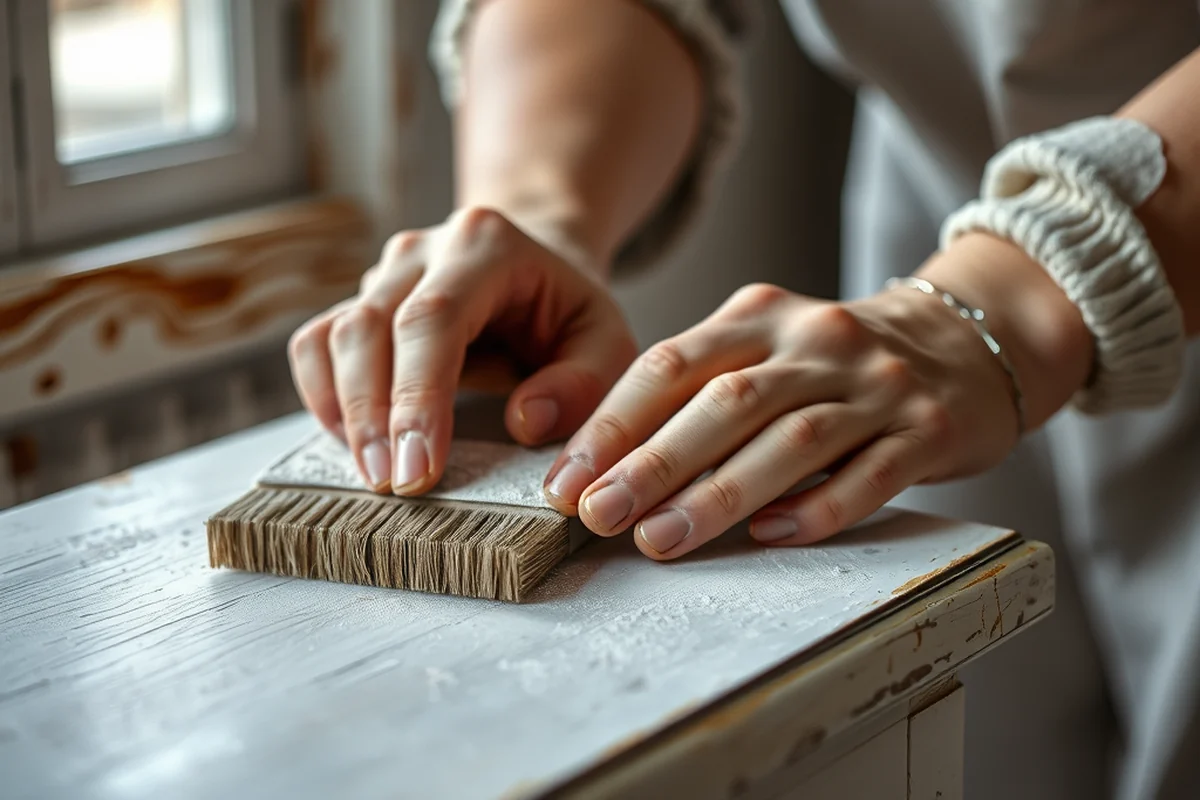
When working on old house restoration, invest in a good set of sanders, brushes, and chisels. I've found that quality tools make a huge difference in the outcome of your project.
Part of our Old fashioned guide.
The Magic of Finding Hidden Details
I remember the first time I used a chisel to gently pry open the back of an old wooden door. Behind it was a hidden compartment that had been sealed shut for decades. Inside were items from the early 1900s — a porcelain plate, a small tin box, and a bundle of yellowed newspapers. These were not just objects; they were pieces of a forgotten life.
Uncovering hidden details in old houses is like unearthing history. I once found a set of original hinges in a 1910 home that were still functional, though heavily worn. After some polishing and oiling, they transformed the look of the door and added an authentic touch to the room.[2]
These hidden treasures are what make old house restoration so exciting. Whether it’s a forgotten drawer, a hidden room, or a piece of original hardware, each discovery adds depth and character to your project.
Every old house has a secret waiting to be discovered.
Related: What is old ironsides about
The Importance of Research
Before I started my first old house renovation, I spent hours researching the home’s history. I found old blueprints, photographs, and even newspaper clippings about the original owner. This research helped me understand the home’s layout and original design, which was invaluable in the restoration process.
I once discovered that an old house I was working on had been a stop on the Underground Railroad. This knowledge changed the way I approached the renovation — I wanted to preserve as much of the original structure as possible and even added a small plaque to honor the home’s history.
Research is more than just a step in the process; it's a way of connecting with the past. Whether it's looking up historical records or consulting with local historians, the effort you put into research will pay off in the final result.
Research the history of the house before you begin any restoration work. This can help you make informed decisions about what to preserve and what to replace.
“I still remember the first time I stepped into the creaky hallway of a 100-year-old home, the scent of aged wood and dust lingering in…”— DIY Furniture for Elderly editors
Related: What s in an old fashioned ingredients
Choosing the Right Materials

I once tried to use cheap, modern paint on an old wooden floor, only to find that it didn’t adhere properly and started peeling within weeks. After that, I learned the importance of using high-quality, historically accurate materials. I now use paints and finishes that are compatible with old wood and have a similar sheen to the originals.
Choosing the right materials can make the difference between a project that lasts for decades and one that needs constant repairs. I always opt for solid wood over particle board when possible, as it’s more durable and looks more authentic.
Materials are more than just a cost — they’re an investment in the future of your project. I’ve found that using the right materials not only improves the look of the space but also adds value to the home.
Related: What is old money style
The Power of Patience
Restoring an old house is not a race against time — it’s a process that requires patience and attention to detail. I remember spending an entire weekend sanding a single wooden beam, only to find that it was still not smooth enough. It was frustrating, but I knew that rushing the job would lead to a subpar result.
Patience allows you to see the subtle changes that happen over time. I once left a room uncovered for a few weeks after painting, only to find that the colors had deepened and the paint had settled into the wood — a result I couldn’t have achieved by rushing the process.
The most successful old house restorations are those that are done with care and patience. I’ve learned that taking the time to do each step right — from sanding to painting — leads to a more beautiful and lasting result.
Related: What is old about movie
The Importance of Community
I once partnered with a local group of DIYers to restore an old house that had been abandoned for years. We divided the work among us, each taking on tasks that suited our strengths. It wasn’t just about getting the job done faster — it was about sharing knowledge and learning from each other.
Community involvement can also help you find resources and support. I once asked a neighbor for advice on restoring an old fireplace, and they shared their own experience and even lent me some of their tools. This kind of support can make a big difference in the success of your project.
Restoring an old house is not a solitary endeavor — it’s a chance to connect with others who share your passion. Whether it’s through local groups, online forums, or just chatting with neighbors, community plays a vital role in the process.
Restoration is not just about the house — it's about the people who help bring it back to life.
Related: What is old fashioned potato salad
The Emotional Reward of Old House Restoration
There’s a certain emotional reward that comes from restoring an old house — it’s like giving a home a second chance. I once restored a small cottage that had been empty for years, and when I walked through the finished space for the first time, I felt a deep sense of accomplishment. It wasn’t just about the work I had done — it was about the life I had helped create.
I remember the moment I turned on the lights in a newly restored room and saw the way the light reflected off the polished wood. It was a moment of pure satisfaction — a reminder that all the effort and patience had been worth it.
Restoring an old house is not just about the physical transformation — it’s about the emotional journey. I’ve found that the most rewarding projects are those that not only look good but also make me feel proud of what I’ve accomplished.
💰 Budget Build
A cost-effective way to restore an old house with minimal materials and tools.
⏰ Weekend Version
A quick and efficient way to make progress on your old house restoration in just a few hours.
✨ Upgraded Finish
A more luxurious version of the project with premium materials and finishes.
🛋️ Small-Space Adaptation
A version of the project tailored for small or compact spaces.
🏠 Rental-Safe Option
A non-invasive way to restore an old house that won’t damage the property.
| The mistake | Why it happens | The fix |
|---|---|---|
| Using modern materials in an old house restoration. | Modern materials can clash with the historical character of the house and may not be as durable. | Use historically accurate or similar materials to match the original design. |
| Rushing the restoration process. | Rushing can lead to poor results, such as uneven surfaces or peeling paint. | Take your time with each step and allow finishes to dry properly. |
| Ignoring hidden details. | Ignoring hidden details can lead to missed opportunities for authenticity and historical accuracy. | Be thorough in your search for hidden elements like old hardware or compartments. |
| Failing to research the house’s history. | Not researching the history of the house can lead to decisions that don’t align with its original design or purpose. | Do your homework before beginning any restoration work — look up blueprints, photographs, and local records. |
Old House Dreams
Common Questions
What tools are essential for old house restoration?
How long does an old house restoration project usually take?
What is the best way to preserve the original character of an old house?
Can I do old house restoration if I'm a beginner?
References
- Congressional Record (Bound Edition), Volume 151 (2005), Part 22 (govinfo.gov)
- Reviving the American Dream for Young Families - Tom Barrett (barrett.house.gov)
Cite this guide
DIY Furniture for Elderly (2026). Old House Dreams. https://seniordrift.com/old-house-dreams/
Feel free to cite or share this guide.